Buying Guide
Flexible packaging pouches sourcing guide
By Cusket Editorial · Published · Updated
A sourcing guide for flexible packaging pouches and films, covering materials, barrier needs, print method, MOQ, samples, lead time, and quote comparison.
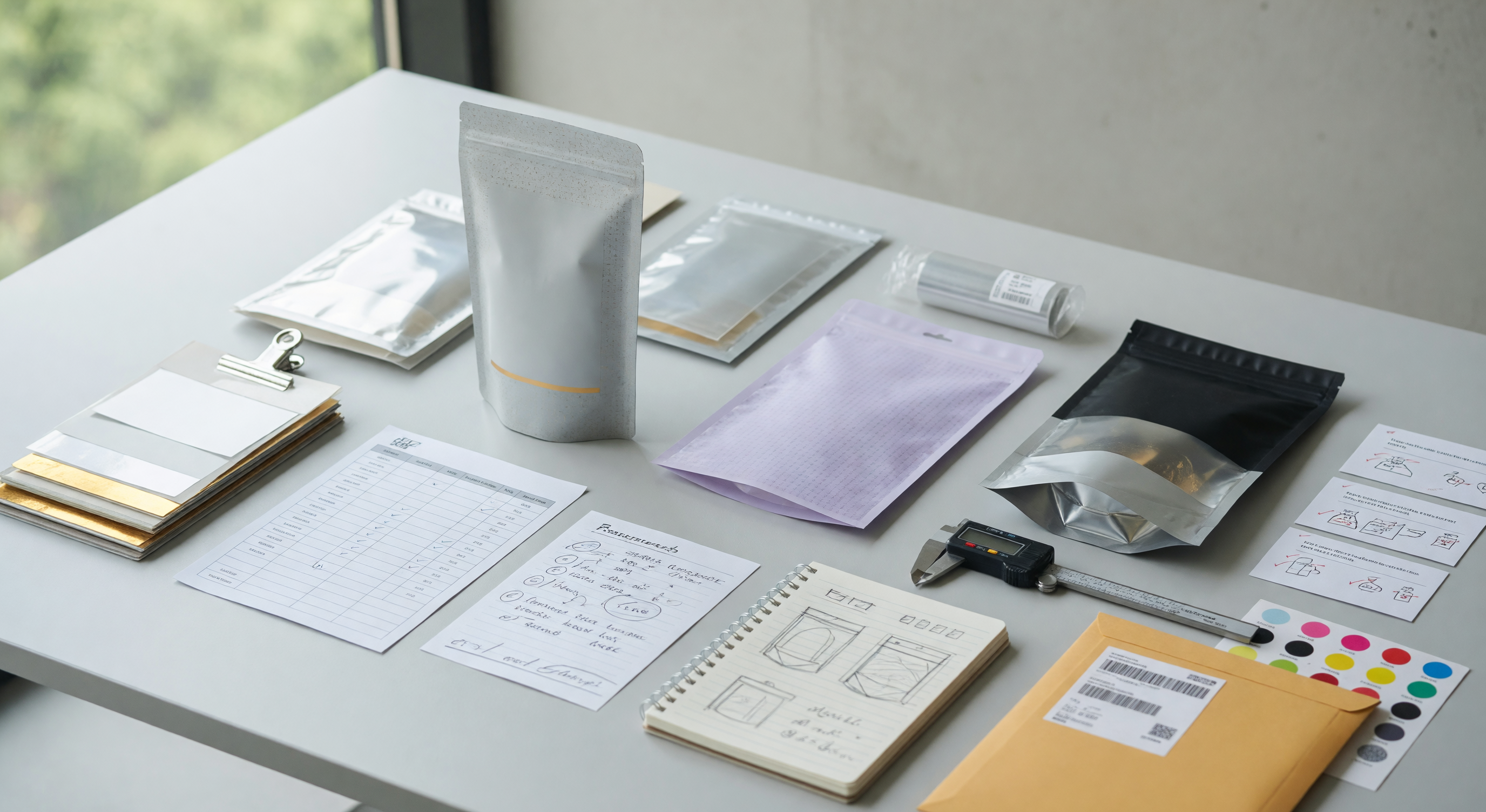
Define the pouch structure before choosing a supplier
Flexible pouch sourcing depends on material layers, barrier needs, fill weight, closure, print method, food or cosmetic contact requirements, and packing format. The buyer should define those constraints before treating MOQ or unit price as comparable.
Product specs to define
Describe the pouch format first: stand-up pouch, flat pouch, three-side-seal pouch, spouted pouch, rollstock film, sachet, zipper pouch, or shaped pouch. Include finished dimensions, gusset size, fill weight, product type, fill temperature, expected shelf life, storage conditions, and whether the pouch needs a tear notch, hang hole, zipper, valve, spout, matte finish, window, or rounded corners. If the product is food, cosmetics, supplements, chemicals, or pet care, ask about material compliance for the destination market.
Material structure is where many quote errors happen. Request the layer structure, thickness, barrier target, oxygen transmission rate, water vapor transmission rate, puncture resistance, sealing layer, and recycled or mono-material options if sustainability claims matter. For print, specify digital, gravure, flexo, number of colors, Pantone references, varnish, white ink, print side, and whether the supplier will manage color matching from a physical sample or only from artwork files.
MOQ and price tier logic
Price tiers should be read as a model, not a promise. A supplier may show one unit price at sample quantity, another at carton quantity, and a lower number at pallet or container quantity. Your landed cost should include setup charges, tooling, artwork, testing, labeling, export packing, freight, duties, payment fees, and the cost of quality failures. The lowest unit price is rarely the lowest total purchase cost if it forces the wrong MOQ, hides a long lead time, or excludes required documentation. Flexible packaging MOQ is shaped by film width, material structure, cylinder or plate setup, print method, and waste. Digital print can support lower first runs but may cost more per piece. Gravure or flexo can lower the unit price at scale but often needs plates or cylinders and a larger MOQ. Ask for tier pricing at your real forecast quantities, not only the factory's favorite tier.
Separate setup fees from repeat pricing. Plate or cylinder fees, proofing, sample freight, material testing, and special zippers or spouts may not repeat every order. Also ask whether MOQ is per artwork, per size, per material structure, or total film run. If you have four flavors with different artwork, the supplier may treat that as four MOQs unless they support gang printing or shared base film.
Sample and proofing path
For custom or compliance-sensitive items, do not skip the proof path. Ask for a pre-production sample, golden sample, digital proof, material certificate, test report, or dimensional drawing before mass production. Store the approved proof with the quote so receiving, support, and reorder teams know what was actually accepted. For pouches, the approval path should include a material sample, printed proof, pouch sample, filling trial, seal test, and shelf-life or compatibility check when product risk is high. Test whether your filling equipment can open, fill, seal, code, and reject the pouch properly. Check zipper alignment, notch tear, spout fit, valve function, color, barcode scan, and carton packing.
Do not rely on an empty pouch sample if the filled product is heavy, oily, abrasive, hot-filled, or sensitive to oxygen or moisture. Ask for a small pilot run or pre-production sample using the quoted material structure. Keep the approved construction and artwork version with the quote so repeat orders are not switched to a cheaper film.
RFQ questions to ask
- What pouch format, dimensions, gusset, closure, and feature set are included?
- What exact material structure and thickness are quoted?
- What barrier values or test data can the supplier provide?
- Is the print method digital, flexo, or gravure, and how many colors are included?
- What is MOQ per size, artwork, material, and flavor variant?
- Are plate, cylinder, proof, sample, and testing fees separate?
- Can the pouch run on the buyer's filling and sealing equipment?
- What delivery term, carton pack, and lead time are assumed?
Red flags
Red flags include vague product names, copied specification sheets, missing certification numbers, resistance to samples, unclear ownership of tooling, price breaks that change after questions, no written lead time, and quotes that omit packaging or delivery responsibility. A good supplier may still need clarification, but they should be able to document what they will make, when they will make it, and what is included in the price. For flexible pouches, watch for suppliers who cannot state material layers, quote without asking about product fill, or promise food-grade packaging without documentation. Be careful with sustainability claims like recyclable, compostable, or biodegradable unless the supplier can identify the material system and market-specific evidence. A low price may also exclude zipper cost, valve cost, plate charges, or adequate barrier material.
Next step in Cusket
Cusket is most useful for this kind of purchase when the buyer can move from a checklist into product discovery, seller comparison, RFQ, cart, or checkout without losing the commercial assumptions. Use the Cusket guide hub for broader sourcing context, then open product search or the relevant category page when you are ready to compare live listings. Use flexible packaging search and the flexible packaging category to compare suppliers, then review custom product supplier comparison, low-MOQ sourcing, and delivery terms before buying before sending the RFQ.
Quote comparison fields to score
Build a comparison table for pouch format, dimensions, material layers, total thickness, barrier values, closure features, print method, artwork count, plate or cylinder fees, MOQ per artwork, sample path, filling compatibility, carton pack, lead time, and delivery term. Include a risk score for the product inside the pouch. A dry promotional item may need less testing than coffee, supplements, sauces, oils, cosmetics, or chemicals. The supplier's ability to discuss product behavior is part of the quote quality.
Acceptance criteria before purchase
Write acceptance criteria for seal strength, leakage, zipper function, notch tear, print color, barcode scan, odor, surface scratches, fill-machine performance, carton count, and film structure. If the supplier proposes an alternate laminate, it should trigger a new sample and compatibility check. For food, beauty, and regulated-adjacent products, make documentation part of the deliverable, not a favor requested after production.
Planning the first order
For a first pouch order, keep the launch plan realistic. Confirm how many filled units you can inspect, how many samples the supplier must retain, and how quickly you can reorder if the first run sells through. If artwork, flavor count, or regulatory copy may change, avoid buying a quantity that locks you into obsolete packaging. A smaller validated order with a clear reorder tier can be better than a large low-unit-price run that prevents formula, copy, or barcode corrections.