Buying Guide
Office Supplies Supplier Comparison Checklist
By Cusket Editorial · Published · Updated
A practical buyer checklist for comparing office supplies suppliers by delivered cost, stock reliability, substitutions, delivery performance, invoice quality, and support.
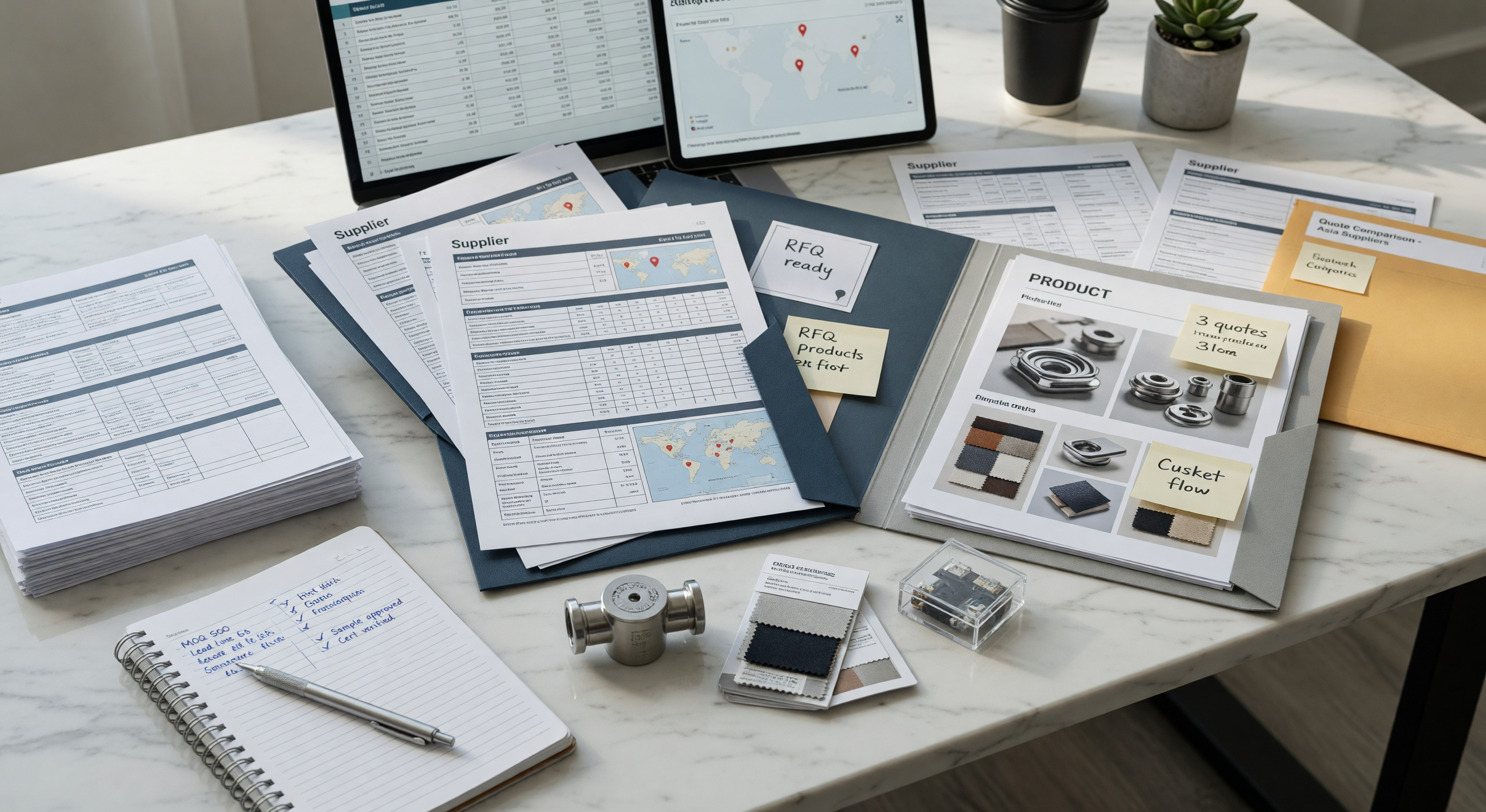
Start With the Real Office Workflow
A useful supplier comparison does not begin with a catalog. It begins with the way your office actually uses supplies: reception staples that cannot run out, team stationery that needs to look consistent, printer consumables that affect daily operations, breakroom items that disappear unevenly, and occasional bulk orders for new hires or seasonal projects. Before comparing sellers, group the items you buy into recurring, urgent, and optional needs. This prevents a cheap one-off quote from winning when the supplier cannot support your normal reorder rhythm.
For a broad market scan, start with the office supplies category, then branch into adjacent categories only when the item mix requires it. Pens, notebooks, folders, and desk accessories may be easier to compare inside stationery, while classroom packs, labels, and student-facing kits may fit school supplies. Keeping categories separate makes pricing, pack sizes, and delivery promises easier to judge.
Build a Baseline Basket Before You Ask for Prices
The fastest way to compare suppliers fairly is to create a fixed basket. Use the same product descriptions, quantities, preferred brands or acceptable substitutes, delivery address, and required delivery window for every seller. If you let each supplier quote a different basket, the lowest total may simply reflect smaller pack sizes, lower paper weight, fewer refills, or missing items.
A baseline basket should include your top recurring items and a few stress-test products. For example, compare copy paper, sticky notes, pens, file folders, printer cartridges, shipping labels, cleaning wipes, and one specialty item that is often out of stock. Ask sellers to mark whether each quoted product is exact, equivalent, or substituted. Equivalents can be acceptable, but they should be visible before purchase approval.
Use a Supplier Scorecard, Not Just Unit Price
Unit price matters, but office supply buying usually fails through small operational costs: split shipments, unclear substitutions, inconsistent invoice data, or minimum order rules that force overbuying. A scorecard keeps those tradeoffs visible.
| Comparison point | What to check | Score 1-5 |
|---|---|---|
| Basket completeness | Can the supplier fill the full recurring basket without excessive substitutions? | |
| Pack-size clarity | Are units, cartons, rolls, and refill counts easy to compare? | |
| Delivered cost | Does the quote include shipping, handling, taxes, and minimum order effects? | |
| Stock reliability | Are high-use items normally available, with clear backorder timing? | |
| Delivery performance | Can the seller meet your normal reorder window and urgent restock needs? | |
| Substitution control | Can buyers approve or block substitutes before shipment? | |
| Invoice quality | Are SKUs, quantities, taxes, and buyer references clear enough for accounting? | |
| Support response | Is there a reachable contact for shortages, damages, and returns? |
A supplier with the best price but weak stock reliability may be useful for planned bulk orders, not for everyday replenishment. A slightly higher price can be justified when the seller reduces admin time and prevents emergency purchases.
Compare Total Cost Across Order Sizes
Office supplies often look cheaper at bulk quantity, but storage space, cash timing, and waste still count. Compare at three order sizes: a normal monthly reorder, a small urgent restock, and a larger quarterly purchase. The same supplier may not win all three.
Look closely at minimum order values, free-shipping thresholds, carton-only rules, and price breaks. A paper supplier may be excellent for quarterly case orders but expensive for mixed low-quantity purchases. A general supplier may be better for weekly replenishment because it can ship toner, labels, notebooks, and breakroom items together. Browse available products to see whether sellers present quantities and variants clearly enough for your internal approval process.
Do not ignore payment and invoice terms. If your finance team needs purchase order references, department codes, or consolidated monthly billing, ask before placing the first order. A low checkout price can become expensive if every order needs manual cleanup.
Check Fit for Quality, Substitutions, and Compliance
Many office items are interchangeable until they are not. Paper brightness affects client-facing documents. Generic toner can create printer issues. Adhesives, cleaners, batteries, and ergonomic accessories may have safety or warranty implications. Decide which items must be exact match, which can use approved equivalents, and which can be fully flexible.
For exact-match items, ask suppliers how they handle out-of-stock situations. The best answer is not always no substitutions; it is controlled substitution with buyer approval. For flexible items, define the acceptable range: recycled paper percentage, pen tip size, folder weight, label dimensions, compatible cartridge model, or cleaning product type. Search across the marketplace with specific terms through Cusket search when you need to validate whether equivalent options are widely available or concentrated with one seller.
Test Service Before You Standardize
Before making a supplier your default, place a limited test order that includes common items, one fragile or damage-prone item, one item with variants, and one item where substitution risk matters. Track whether the order confirmation, shipment notice, packaging, delivery timing, and invoice match the quote.
When the order arrives, check three things immediately: item accuracy, pack-size accuracy, and damage handling. If something is wrong, measure how quickly the supplier responds and whether the resolution is practical. A supplier that fixes a shortage cleanly is often safer than one that looks perfect on paper but has no support path. Keep Cusket’s support page handy for marketplace-level help, but also evaluate the seller’s own responsiveness.
Keep the Checklist Current
Supplier comparison is not a one-time procurement exercise. Office usage changes with headcount, hybrid work patterns, printer fleets, new departments, and storage limits. Revisit the scorecard after the first month, after any major office change, and before renewing a recurring buying arrangement.
Keep notes on which suppliers are best for everyday replenishment, bulk paper, branded stationery, breakroom supplies, or urgent replacements. You can also review related buying guides from Cusket guides when your purchasing scope expands beyond standard office supplies. The goal is not to force every item through one seller; it is to know which supplier gives the best combination of price, accuracy, delivery, and support for each buying pattern.