Buying Guide
Auto parts seller fitment guide for B2B buyers
By Cusket Editorial · Published · Updated
Help auto parts buyers confirm compatibility, measurements, variants, and order readiness before they contact your team or place a B2B order.
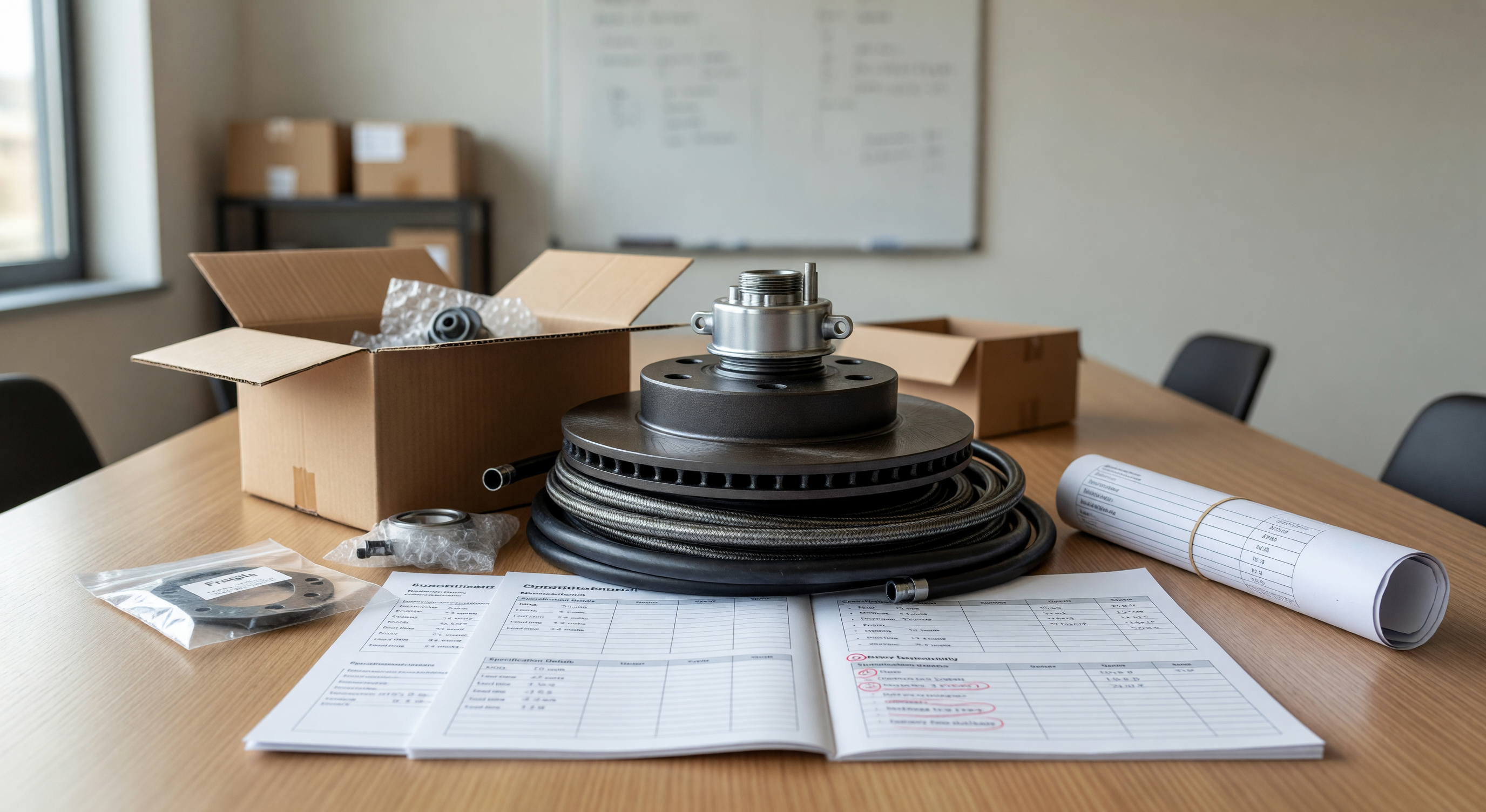
B2B auto parts buyers rarely search with only a product name. They search by vehicle, machine, year range, engine type, replacement number, measurement, and failure mode. A strong Cusket listing should therefore help the buyer answer one question quickly: will this part fit the unit I need to service? This guide is written for sellers preparing listings inside Cusket Seller Center, especially when parts have close variants that look similar in photos but differ in critical dimensions.
Start with the fitment promise
Use the first lines of your product summary to state the intended fitment scope in plain language. Mention the part family, compatible application type, and the most important exclusion. If the part fits only certain trims, voltage systems, chassis ranges, connector styles, or left/right positions, say that near the top. Buyers browsing Cusket products should not need to open a long document before they know whether the listing belongs on their shortlist.
Avoid claiming universal fit unless you can support it with exact criteria. A better sentence is: "For selected 24V fleet maintenance applications using the listed OE reference numbers; confirm connector and mounting pattern before ordering." That phrasing keeps the listing useful without overstating certainty.
Build titles around searchable identifiers
Your title should carry the part type, primary fitment cue, and reference number when space allows. For example, "24V alternator replacement for fleet trucks, OE 12345 series" is stronger than "High quality alternator." Buyers using Cusket search often compare many near-identical parts, so the title should separate your listing from substitutes.
Add secondary identifiers in the body rather than crowding the title. Include OE numbers, aftermarket numbers, material grade, thread size, spline count, connector pin count, hole spacing, bearing size, or other identifiers that buyers actually use. Keep the format consistent across your catalog so repeat buyers can scan quickly.
Put dimensions where buyers expect them
Photos help, but fitment decisions depend on measurements. Add a specification block to the listing in seller products with units, tolerances where relevant, and measurement method. If a bracket is measured center-to-center, say so. If a gasket thickness is measured uncompressed, say so. If a hose inner diameter changes after installation, explain the nominal state.
A practical measurement table reduces back-and-forth messages and protects your team from vague compatibility questions.
| Fitment field | What to publish | Seller note |
|---|---|---|
| Application range | Vehicle, equipment, or system type | Include known exclusions |
| Reference numbers | OE and cross-reference numbers | Separate exact from comparable |
| Critical dimensions | Length, diameter, holes, pins, thread | State units and method |
| Position | Front/rear, left/right, intake/exhaust | Use buyer-facing terms |
| Included items | Part only, gasket, clips, harness | Prevent assumptions |
Use images to confirm shape, not just quality
For auto parts, buyers need angles that confirm mounting points, connectors, labels, surface finish, and included accessories. Upload clean images with at least one straight-on measurement cue. If possible, show the product next to a neutral scale or diagram. Do not rely only on polished hero shots, because buyers comparing Cusket categories need visible proof that the product is the correct variant.
If two variants differ by a small port angle or connector key, create separate listings or clearly label the variant image. A single mixed gallery can create expensive order errors.
Fitment checklist before publishing
Use this scorecard before turning a listing live or sending traffic from seller ads.
| Check | Pass standard | Score |
|---|---|---|
| Title includes part type and key identifier | Buyer can recognize the part from search results | 0-2 |
| Fitment scope is explicit | Application and exclusions are visible | 0-2 |
| Dimensions are complete | Critical measurements use units and method | 0-2 |
| Reference numbers are separated | Exact matches are not mixed with similar parts | 0-2 |
| Images show fitment details | Mounting, connector, label, and accessory views included | 0-2 |
A listing scoring under 8 should be revised before promotion.
Handle buyer questions without slowing orders
Create reusable message snippets for common checks: reference number confirmation, dimension confirmation, sample request, and accessory inclusion. Link buyers back to the exact listing rather than sending loose files. If the buyer still cannot confirm compatibility, ask for the reference number, application, installation position, and photo of the original part.
Keep the tone practical. Your job is not to diagnose a repair; it is to document the part well enough for a B2B buyer to make a responsible sourcing decision.
Keep fitment data current
Review fitment-heavy listings every time a supplier changes tooling, packaging, accessory kits, or label information. If your catalog has older titles, update them before adding new SKUs. Buyers who discover your catalog through Cusket guides expect the product page to carry the same clarity as the article that led them there. Strong fitment content reduces misorders, shortens qualification messages, and makes repeat purchasing easier for maintenance teams.