Buying Guide
Cables and connectors seller specification guide
By Cusket Editorial · Published · Updated
A seller guide for writing cable and connector listings with exact specifications, compatibility notes, photos, and quote inputs.
Start with the exact connection problem
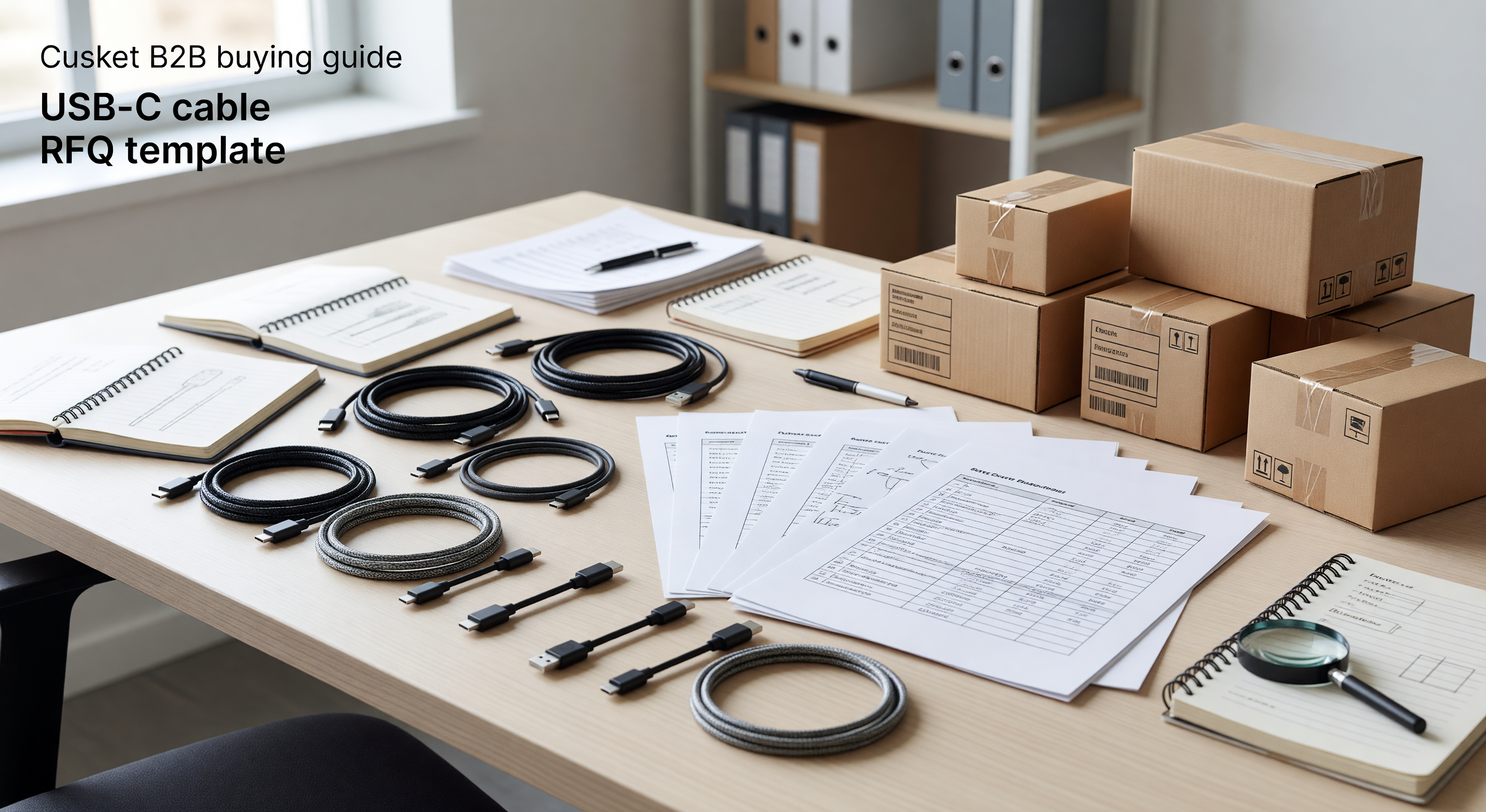
Cable and connector listings fail when they describe the item too broadly. A buyer on Cusket needs to know what the cable connects, what standard it follows, and which physical details matter. In Cusket seller products, write the title and summary around connector type, gender, version, length, rating, shielding, jacket, and use case. A phrase like data cable is not enough for a buyer searching Cusket search with a specific port, machine, device, or panel in mind.
If the product supports several applications, list the primary one first and then name secondary uses. Avoid implying compatibility with every device that shares a similar port. Connector fit can depend on housing, pinout, wiring, protocol, firmware, length, and power rating. Your listing should make those boundaries visible.
Specify both ends and the cable body
Buyers compare cable listings by the two ends and the material between them. Describe each connector separately. Include gender, orientation, pin count, shell type, lock type, plating, waterproof rating if applicable, and any keying. Then describe the cable body: length, conductor size, jacket material, color, shielding, bend radius, temperature range, and packaging.
| Specification | Seller detail to include | Buyer question answered |
|---|---|---|
| End A and End B | Connector names, gender, pin count, orientation | Will it physically connect? |
| Electrical rating | Voltage, current, signal, or data standard | Can it handle the use case? |
| Cable construction | AWG, shielding, jacket, length, color | Is it suitable for the environment? |
| Custom options | Length, label, packaging, connector change | Can the buyer order a variant? |
Use photos that prove orientation
Cable photos should show both ends clearly, not only a coiled hero shot. Include close views of connector faces, locking features, labels, strain relief, jacket markings, and packaging. If orientation matters, show it. If a connector has a keyed housing, the photo should make the key visible. Buyers browsing Cusket products often compare nearly identical cables; small visual details can decide whether they contact you.
Use captions or body text to identify each end. If the photo shows a sample length or optional label, say so. If the final production color can differ, state what is standard and what requires a quote.
Explain custom cable requests
Many cable buyers need custom length, labeling, color, connector combination, packing, or testing. Your listing should say which custom options are practical and what information the buyer must provide. A good request includes drawing or reference cable, end descriptions, length, electrical rating, quantity, destination, packaging, and required test method.
If you advertise cables through Cusket seller ads, keep the promoted page aligned with the actual custom path. Do not drive traffic to a generic cable page if the buyer then needs to ask whether custom lengths exist. State the option and the quote inputs directly.
Add a specification checklist
Place this checklist in your product body:
- Connector type, gender, orientation, and pin count for each end.
- Cable length and acceptable tolerance.
- Electrical rating or data standard.
- Jacket material, shielding, and environmental notes.
- Standard color and available custom colors.
- Labeling, barcode, or packaging requirements.
- Sample, test, or drawing requirement before bulk production.
This checklist tells the buyer what to confirm and tells your team what to ask when a request is incomplete.
Keep compatibility claims narrow
A cable can look compatible and still fail because of wiring, protocol, power, shielding, or length. State confirmed use cases carefully. If a product is intended for a known device family, name the family and any limits. If fit depends on buyer confirmation, say that photos, drawings, or samples may be needed.
Buyers can use Cusket support for platform questions, but technical compatibility belongs in your listing and communication. Review the listing whenever a connector supplier, wiring diagram, test method, or packaging option changes. Clear cable specifications reduce returns and make quote conversations much shorter.
Keep drawings and test notes connected to the listing
Cable and connector buyers may send drawings, pinouts, test requirements, or reference samples. Keep those materials connected to the quote record and reflect common requirements in the listing. If most custom requests need continuity testing, pull testing, packaging labels, or a wiring diagram, mention those expectations publicly. This makes your page look prepared rather than reactive.
For repeat orders, note the approved drawing version, cable length tolerance, connector supplier, label text, packaging method, and any test report format. A cable can be technically small but operationally important. If your production change affects conductor size, jacket material, connector plating, mold shape, or label position, update the listing and quote language before accepting the next order. Buyers value continuity because a replacement cable must behave like the approved one.
Add a final internal review step before publishing custom cable quotes: compare the listing, drawing, buyer message, and production note side by side. The same connector name can hide different pinouts or mold dimensions, so your team should confirm the exact configuration before price and lead time are treated as final. This step is especially useful when a buyer sends a reference photo instead of a drawing. Ask for the missing technical detail, record the answer, and update the quote notes so production receives the same assumptions the buyer approved.