Buying Guide
Food Processing Machines RFQ Checklist for Business Buyers
By Cusket Editorial · Published · Updated
A practical RFQ guide for business buyers sourcing food processing machinery, with checklist items for capacity, hygiene, testing, utilities, service, and commercial comparison.
Start with the machine's production job
A strong RFQ for food processing machinery starts with the job the machine must perform, not with a generic equipment name. Before asking for quotes, define the product, input state, output target, and operating environment. A buyer looking for a vegetable washer, sauce kettle, slicer, grinder, mixer, fryer, filling line, or drying system should describe the real workflow in plain terms: what arrives at the machine, what must leave it, and what happens before and after.
For example, a supplier can quote more accurately when they know whether tomatoes arrive whole, washed, chilled, or field-packed; whether the output is diced, pulped, packed, frozen, or cooked; and whether the line must connect to inspection, weighing, or packaging equipment. If your sourcing team is still comparing categories, start from https://cusket.com/categories/FOOD_PROCESSING_MACHINERY and review adjacent needs such as packaging at https://cusket.com/categories/PACKAGING_MACHINERY.
Define capacity in usable operating terms
Capacity should be written in terms that match how your facility runs. A headline figure such as 1,000 kg per hour is useful, but it is not enough. Include the expected shift length, batch size, cleaning frequency, labor model, and acceptable downtime between product changes. If the machine will run several SKUs, give suppliers the smallest and largest product formats, because many machines perform well at one size but lose accuracy or speed at another.
Ask suppliers to separate rated capacity, practical capacity, and guaranteed capacity. Rated capacity often reflects ideal inputs and continuous running. Practical capacity should account for feeding, trimming, rejects, changeover, and sanitation. Guaranteed capacity is the number you can use in commercial evaluation, because it should be tied to test conditions and acceptance criteria.
RFQ checklist for food processing machinery
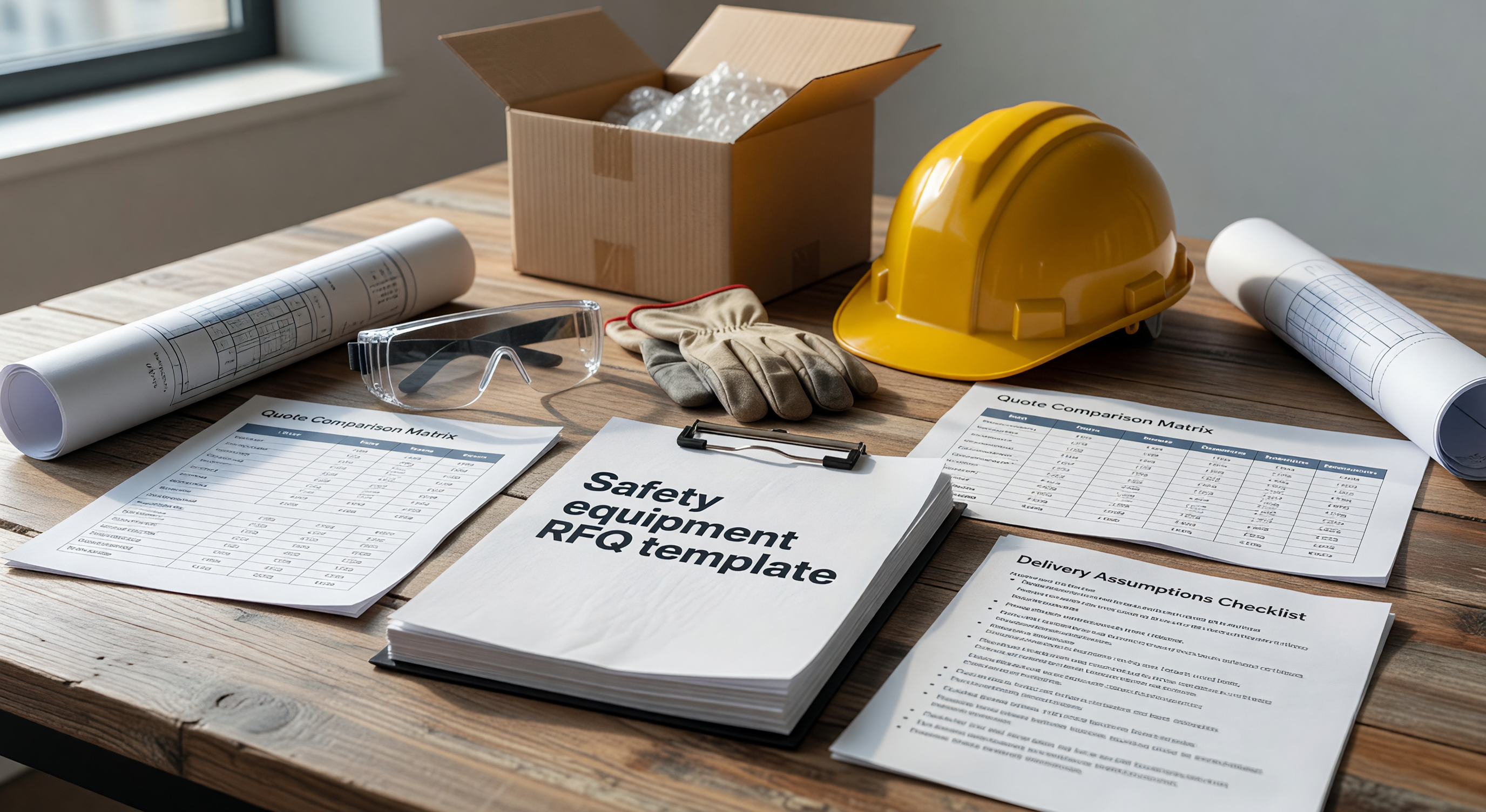
Use a structured checklist so suppliers quote the same scope. This makes it easier to compare total cost, risk, and readiness instead of choosing only by machine price.
| RFQ item | What to specify | Why it matters |
|---|---|---|
| Product and input condition | Product type, size range, temperature, moisture, contamination risk | Drives machine design, materials, feeding, and tooling |
| Output requirement | Cut size, texture, fill weight, cook level, yield, damage tolerance | Prevents quotes that meet speed but fail quality |
| Capacity target | Batch or hourly output, shifts per day, peak season demand | Separates realistic throughput from brochure capacity |
| Food-contact standards | Stainless grade, seals, lubricants, sanitary welds, cleanability | Reduces food safety and audit risk |
| Utilities | Voltage, phase, air, steam, water, drainage, exhaust, gas | Avoids expensive site changes after purchase |
| Controls and integration | PLC/HMI language, recipes, sensors, alarms, data export | Helps connect the machine to plant operations |
| Testing and acceptance | Sample material, FAT method, yield, reject rate, tolerance | Creates an objective basis for approval |
| Spares and service | Wear parts, lead time, remote support, local technician options | Reduces downtime after installation |
Specify hygiene, materials, and cleaning expectations
Food processing machinery should be evaluated for cleanability as much as throughput. Ask which parts are food-contact surfaces, what stainless steel grades are used, whether frames and welds are designed to avoid residue traps, and how quickly operators can remove belts, blades, screens, nozzles, hoppers, or product-contact tooling. For wet environments, confirm water resistance for motors, sensors, and control cabinets. For powders, oils, sauces, or sticky products, ask how the design prevents buildup.
Cleaning method matters. State whether you expect dry cleaning, manual washdown, clean-in-place, steam cleaning, or chemical sanitation. Ask suppliers to provide cleaning steps, estimated cleaning time, required tools, and any parts that cannot be washed directly. If your business handles both raw and ready-to-eat products, describe allergen separation, cross-contact controls, and zone requirements clearly.
Ask for proof, samples, and acceptance tests
A food machinery RFQ should request evidence, not only specifications. Ask for product videos using similar materials, references from comparable buyers, test reports, and photos of the exact model or build standard. When the investment is material, arrange a factory acceptance test before shipment. Send representative raw material if possible, especially for fresh, variable, fragile, oily, sticky, or irregular products.
Acceptance criteria should be measurable. For a slicer, that may include slice thickness tolerance, breakage rate, and kilograms per hour. For a filling machine, it may include fill accuracy, drip control, container changeover time, and reject rate. For a cooker or dryer, it may include temperature uniformity, moisture level, texture, color, and energy consumption. Buyers sourcing processed food inputs can also benchmark product expectations through https://cusket.com/categories/PROCESSED_FOOD, while buyers working with raw agricultural inputs may compare upstream variability through https://cusket.com/categories/FRESH_PRODUCE.
Compare commercial scope beyond the machine price
The lowest machine price is rarely the lowest project cost. Ask each supplier to break out tooling, conveyors, guards, electrical cabinets, installation, commissioning, operator training, spare parts, documentation, crating, freight, and taxes. Clarify whether the quote includes drawings, manuals, wiring diagrams, food-contact declarations, maintenance schedules, and recommended spare parts for the first year.
Payment terms should match delivery risk. For custom equipment, buyers commonly tie later payments to completed build milestones, factory acceptance, shipment documents, or commissioning. Ask for warranty length, what the warranty excludes, expected response time, and whether support is available in your operating language and time zone. If you are comparing several suppliers at once, use https://cusket.com/search to keep broader sourcing options visible while you evaluate machine-specific quotations.
Prepare the supplier questions before you shortlist
After you receive quotations, send a clarification round before choosing. Ask what assumptions the supplier made, which parts are customized, what can delay production, and which consumables are proprietary. Confirm the exact model, dimensions, weight, layout, utility load, safety guarding, and shipping method. Request a simple commissioning plan that shows what your site must prepare before the machine arrives.
A practical shortlist should include one technically strong supplier, one commercially competitive supplier, and one backup option if lead time or testing fails. Save final RFQ documents, answers, drawings, and test evidence with the purchase record so operations, finance, and maintenance teams can review the same facts. For more sourcing guidance, review https://cusket.com/guides, and contact Cusket support if you need help navigating categories or product discovery.