Buying Guide
Germany buyer checklist for electronics sourcing
By Cusket Editorial · Published · Updated
A practical checklist for Germany-based buyers sourcing electronics through Cusket, covering supplier screening, product data, EU documentation, logistics, payment milestones, and post-arrival checks.
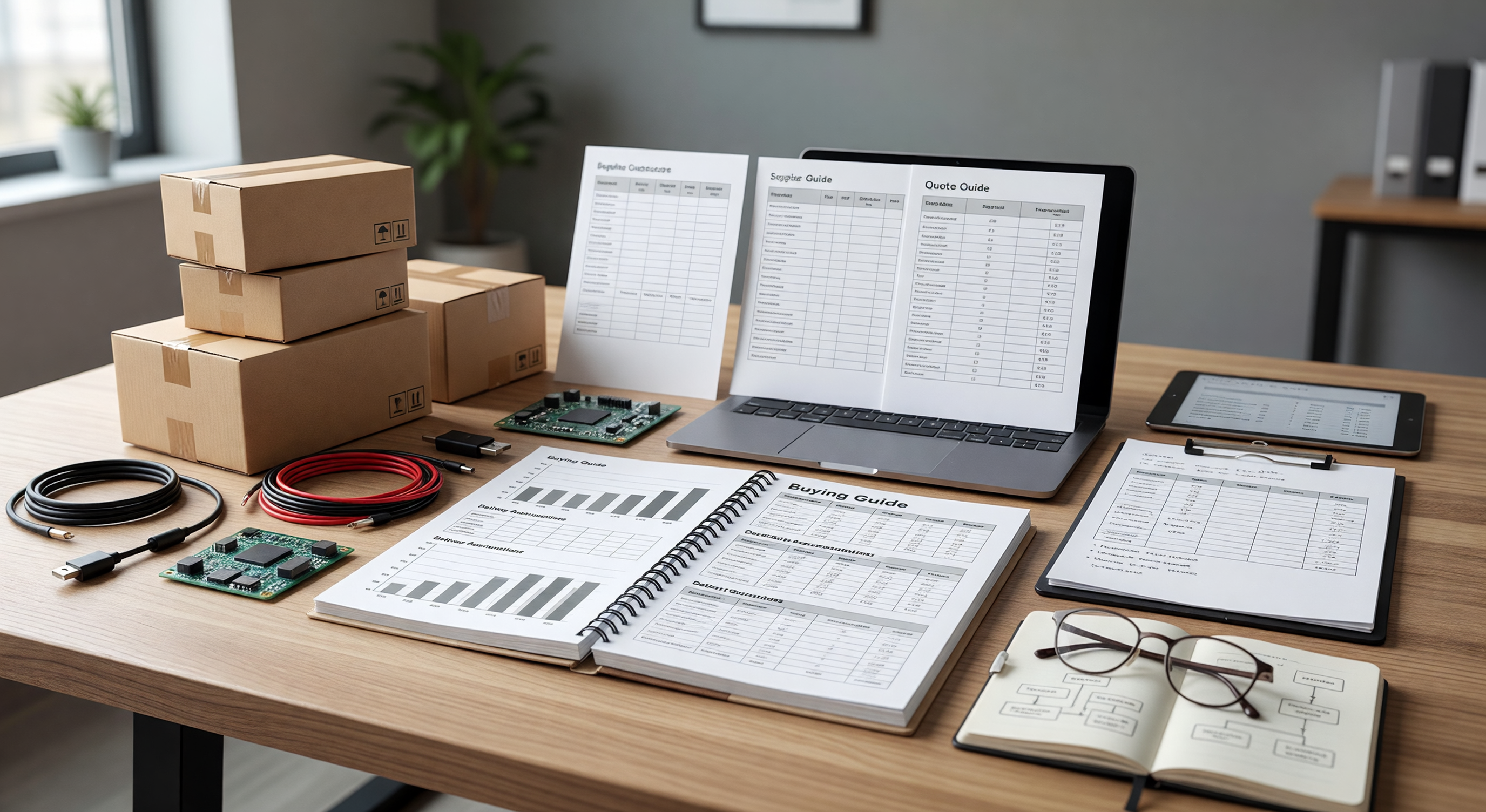
Germany-based buyers can find strong electronics supply options on Cusket, but the best outcomes usually come from disciplined preparation before a purchase order is placed. Electronics sourcing has more moving parts than a simple product search: model numbers must match, voltage and plug details matter, components can change between production runs, and European market expectations around documentation are usually stricter than a supplier's default export packet.
Use this checklist when comparing products on Cusket products, narrowing options in Cusket search, or preparing a first conversation with a seller. For binding regulatory, customs, tax, or product-safety decisions, use qualified local advice before importing or reselling.
Start with the exact buying use case
Before you compare offers, define the job the electronics must perform in Germany. A buyer sourcing replacement power adapters has a different risk profile from a buyer importing finished consumer devices, embedded modules, or spare parts for repair operations. Write down the intended end user, operating environment, expected lifetime, warranty promise, and whether the item will be resold, installed into another product, or used internally.
This step prevents vague requirements from becoming expensive disputes later. If you need retail-ready goods, ask for packaging language, plug format, manuals, and barcode readiness. If you need components, confirm tolerance ranges, approved substitutions, reel or tray format, moisture sensitivity handling, and traceability expectations.
Screen suppliers before discussing price
A low unit price is not useful if the supplier cannot prove repeatable production, stable documentation, and responsive issue handling. On Cusket, start from the product page and seller profile, then compare alternatives through Cusket categories rather than relying on one listing. Look for consistency between product images, specifications, lead times, and the seller's stated operating model.
Ask early questions that reveal process maturity: who issues the commercial invoice, who owns quality control before shipment, whether the seller can reserve the same bill of materials for repeat orders, and how they handle firmware or component changes. Germany-bound electronics shipments benefit from suppliers who can answer in writing and attach evidence.
Verify product data and documentation
For electronics, the specification sheet is part of the product. Request the current datasheet, model number, rated voltage and frequency, plug or connector type, battery details if relevant, firmware version, materials declarations when available, and a clear statement of what is included in the box.
Use the table below as a minimum document check before moving from shortlist to order.
| Checkpoint | What to request | Why it matters for Germany-bound buying |
|---|---|---|
| Identity | Exact model, SKU, photos of rating label, packaging draft | Prevents mixed versions and listing ambiguity |
| Electrical details | Voltage, frequency, plug, charger, adapter, battery data | Helps catch incompatibility before shipment |
| Product evidence | Datasheet, test reports where available, manual, declaration drafts | Supports internal review and buyer-side due diligence |
| Change control | Written notice process for component, firmware, or packaging changes | Reduces surprise substitutions on repeat orders |
| Shipment data | HS code suggestion, country of origin, carton dimensions, gross weight | Improves freight quotes and import preparation |
Documentation availability is not the same as compliance approval. Treat supplier files as inputs for your own review, especially when products may fall under CE marking, RoHS, WEEE, battery, radio, or product-safety requirements.
Confirm samples and quality gates
For new electronics suppliers, buy a sample or pilot quantity before committing to a large order. Check the sample against the listing, datasheet, packaging, labeling, accessories, and basic functional expectations. If the item has software, firmware, wireless functions, memory, displays, sensors, or batteries, document the version tested.
Create acceptance criteria before the sample ships. For example: correct EU plug, no visible housing defects, stable operation after a defined burn-in period, matching rating label, readable manual, and packaging strong enough for parcel handling. For production orders, agree whether inspection happens at the factory, before export, on arrival, or at multiple points.
Plan landed cost and logistics early
Germany buyers should compare more than unit price. Ask for Incoterms or delivery terms in plain language, expected dispatch date, packing dimensions, carton quantity, export handling fees, and whether batteries, magnets, liquids, or radio modules affect shipping options. If you need to compare offers side by side, save relevant listings from Cusket buy workflows and keep a separate landed-cost sheet.
Your landed estimate should include product cost, freight, insurance if used, import duty assumptions, VAT cash-flow impact, customs brokerage, inspection, rework allowance, returns handling, and warranty reserves.
Use payment milestones that match risk
Electronics orders often justify staged payments. Common structures include a deposit after pro forma invoice, balance after pre-shipment evidence, or payment after an agreed inspection event. Avoid paying as though the order is low risk when the product is new, customized, or documentation is incomplete.
Keep commercial records organized: quotation, invoice, product specification, agreed delivery terms, bank details, production timeline, inspection result, and shipping documents. If a seller changes bank details, product configuration, or shipment route late in the process, pause and verify through the platform conversation or Cusket support. Written records reduce confusion if the order needs follow-up.
Check arrivals and build a repeat-order file
When goods arrive in Germany, inspect quickly. Confirm carton count, damage, SKU, model, accessories, label, manual, and a sample of functional performance. Photograph carton labels and any defects before goods are distributed internally or to customers. If the shipment is for resale, keep the documentation packet with the purchase record so future audits, customer questions, and warranty cases are easier to handle.
For repeat orders, maintain a short control file: approved supplier, approved SKU, sample photos, specification version, packaging version, agreed change-control wording, acceptable defect limits, and previous issue history. Recheck the marketplace periodically through Cusket guides and product listings because better options, updated documentation, or clearer delivery terms may become available.