Buying Guide
How to inspect finished garments quotes before ordering
By Cusket Editorial · Published · Updated
A buyer-focused checklist for reviewing finished garment quotes, including size specs, grading, fabrics, trims, labels, packing, samples, and inspection evidence.
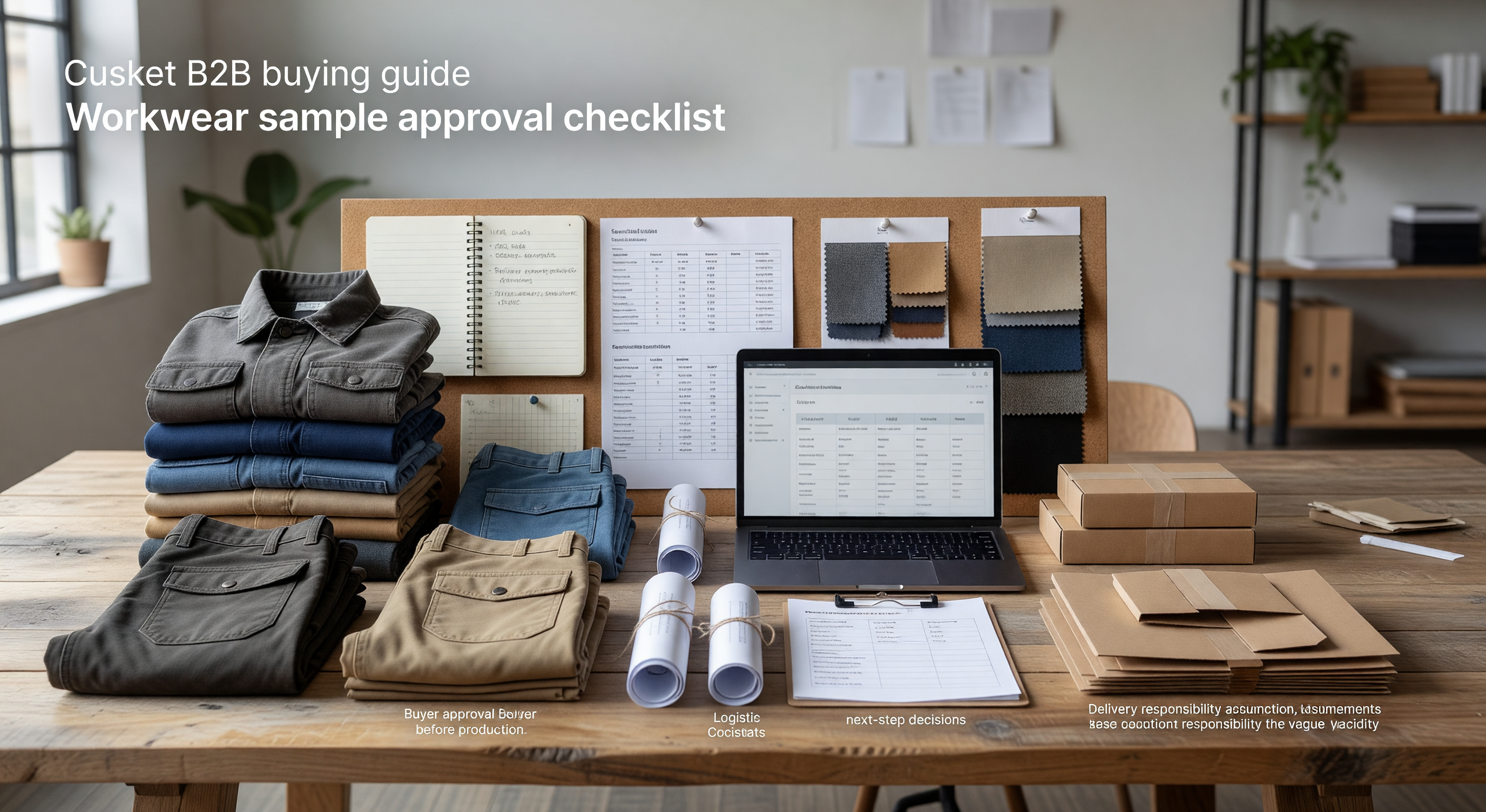
Start with the quote's product definition
A finished garment quote is useful only when it describes the same product you expect to receive. Before comparing prices on Cusket, confirm that each quote is tied to a clear garment definition: silhouette, size range, fabric, colorways, trims, label plan, packing method, and the sample or tech pack version used for pricing. If two sellers quote from different assumptions, the cheaper number can hide changes to fit, handfeel, durability, or packing.
Use the quote as a mirror of your buying brief. A strong quote repeats back the key requirements and separates confirmed decisions from options. A hoodie quote, for example, should name the fabric weight, rib, drawcord, decoration method, and fit basis. When browsing https://cusket.com/products or narrowing sellers through https://cusket.com/search, keep the quotes that make these assumptions explicit.
Check size specs, grading, and tolerance
For finished garments, size is not a minor detail. A quote should identify the base size, full size range, grading rule, and measurement tolerance. Ask whether the seller priced from your size spec, their house pattern, or a reference sample. If the quote says only "standard size" or "regular fit," it is not ready for an order decision.
Look for measurements that matter to the garment type: chest, body length, shoulder, sleeve, waist, inseam, hip, rise, sweep, and neck opening where relevant. Grading should explain how measurements move across sizes, not only list S to XL. Larger sizes may change fabric use, MOQ, unit price, or lead time. One tolerance may be fine for body length but too loose for collar, waistband, or label placement.
Compare fabric, trims, labels, and colorways
The unit price should not be separated from the materials it includes. Confirm fabric composition, weight, weave or knit type, finish, shrinkage expectation, lining, interlining, and treatments such as brushing, washing, coating, or enzyme finishing. For colorways, check whether the quote covers stock colors, custom dyeing, yarn dye, piece dye, or garment dye, because each path can change MOQ and timing.
Trims deserve the same review. Buttons, zippers, snaps, drawcords, elastic, thread, patches, hangtags, woven labels, printed neck labels, and care tags can all affect cost and schedule. The quote should say whether branded trims are included, whether care tag content is supplied by you or the seller, and whether label placement is confirmed. Use https://cusket.com/categories for category discovery, but make the quote identify what is included.
Care tags may involve market-specific rules for fiber content, wash symbols, origin, and brand information. Cusket can help organize buying information, but you should verify legal, tax, and compliance obligations with qualified advisors for the markets where you sell.
Inspect construction and defect limits
A finished garment quote should describe how the garment will be made, not only what materials are used. Check stitch type, seam type, reinforcement points, bar tacks, overlock or coverstitch use, hemming, pocket construction, lining attachment, and decoration durability. For outerwear, sportswear, denim, uniforms, or children's garments, construction details can decide whether the quote is realistic.
Ask the seller to define defect tolerance before order confirmation. Minor issues such as loose threads or slight shade differences are different from major defects such as open seams, wrong labels, broken zippers, stains, incorrect color, needle damage, or unsafe attachments. The quote should identify the inspection standard or at least the seller's proposed acceptance level. If the seller cannot explain what happens when defects exceed tolerance, pause before ordering through https://cusket.com/buy.
Use a quote inspection checklist
A practical review turns a quote into a decision record. Compare every seller against the same questions so hidden gaps are visible before you approve a sample or deposit.
| Quote area | What to verify | Warning sign |
|---|---|---|
| Size spec | Base size, range, grading, tolerance | "Standard sizing" only |
| Fabric/color | Composition, weight, finish, color method | Price changes after confirmation |
| Trims/labels | Zippers, buttons, patches, hangtags, care tags | Branded trims not priced |
| Stitching | Seams, reinforcement, hems, decoration method | Photos conflict with quote |
| Packing ratio | Units per carton, size/color ratio, marks | Packing defined after payment |
| Sample approval | Sample type, fee, revisions, deadline | Production before sign-off |
| Inspection evidence | Photos, measurement report, defect handling | No inspection photos |
Do not expect every seller to use the same template. The goal is comparable evidence. If a seller has a different format, ask them to fill the gaps clearly in the Cusket message thread or quote notes.
Confirm packing, samples, and inspection photos
Packing is part of the product promise. Confirm size and color ratio, units per carton, polybag requirements, carton labels, barcode placement, folded or hung presentation, moisture protection, and whether retail-ready packing is included. A quote for 1,000 units can create very different receiving work depending on whether it ships by style, color, size run, or mixed carton.
Sample approval should also be explicit. Identify whether the quote includes a proto sample, fit sample, pre-production sample, salesman sample, or shipment sample. Confirm who pays sample and courier costs, how many revisions are included, and whether bulk production starts only after written approval. If color and fabric are central, request lab dips, strike-offs, or trim cards before approving the full order.
Inspection photos are useful evidence, even when they do not replace a full inspection. Ask for clear photos of front, back, inside seams, labels, care tags, trims, stitch close-ups, folded packing, carton marks, and size measurements. For platform questions or next steps, use https://cusket.com/support and keep final buying records connected to the product or seller page.
Decide with evidence, not only price
A strong finished garment quote makes the product, cost, and risk visible before you order. It explains the size spec, grading, fabric, trims, stitching, labels, care tags, colorways, packing ratio, sample approval process, defect tolerance, and inspection evidence. A weak quote leaves those decisions for later, often when changes are more expensive.
Before committing, compare the quote against your intended product page, sample feedback, and seller answers. If you need to restart the search, use https://cusket.com/guides to refine your buying workflow and return to supplier discovery with a tighter brief.