Buying Guide
Metal parts seller tolerance guide
By Cusket Editorial · Published · Updated
A seller guide for describing tolerances, measurements, drawings, and inspection expectations for metal parts buyers.
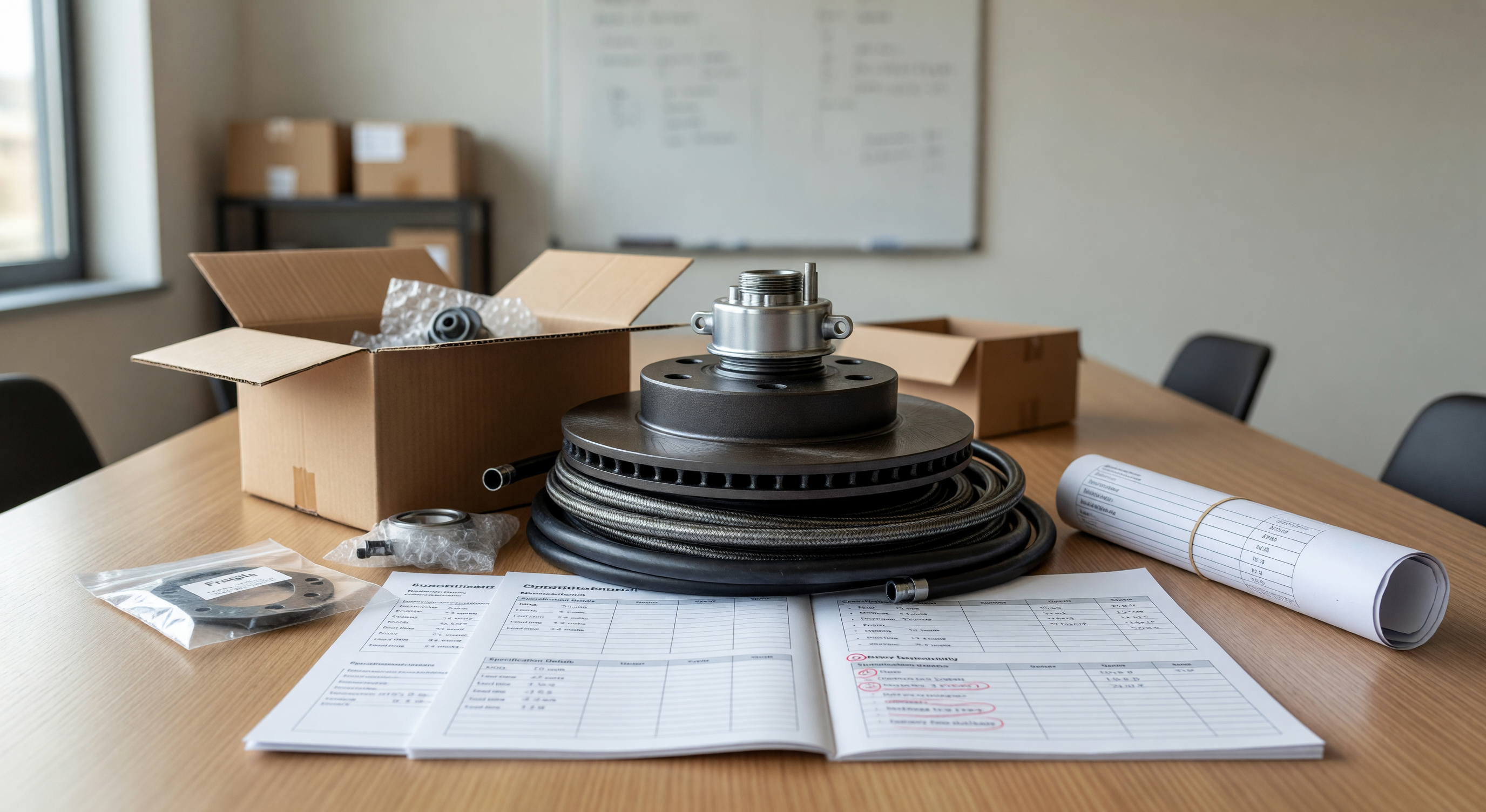
Metal parts buyers evaluate whether your product can fit into their assembly, not only whether it looks correct. Tolerance information helps them decide if a part can be sourced from your listing, sampled, or sent into a more detailed engineering review. On Cusket, metal parts sellers should present dimensions, materials, finishes, drawings, and inspection expectations in a way that is useful without pretending to replace buyer engineering approval.
State the measurement basis clearly
Every tolerance discussion starts with what is being measured. Include overall dimensions, critical dimensions, hole locations, thread specifications, wall thickness, surface finish, coating thickness where relevant, and any bend or flatness requirements. If dimensions are in millimeters, keep them in millimeters throughout the listing. If buyers use inch drawings, explain whether you can quote from those files.
A listing on Cusket products should distinguish standard catalog parts from custom parts. For catalog parts, publish the normal tolerance range. For custom machined, stamped, cast, forged, or fabricated parts, say that tolerance depends on drawing review, process, material, and inspection method.
Connect tolerance to process
Different metal processes hold different tolerances. CNC machining, laser cutting, stamping, die casting, extrusion, welding, bending, and surface finishing each have their own practical limits. If your listing covers a family of parts, do not imply the tightest tolerance applies to every option. Buyers will trust a realistic process note more than a universal claim.
In your seller product manager, create a process section that explains what is standard and what requires review. A phrase such as general tolerance for laser-cut profile; tighter hole position requires drawing confirmation is more useful than high precision. Buyers from Cusket search often look for suppliers who can communicate constraints early.
Use a tolerance readiness checklist
| Listing item | Seller detail | Buyer use |
|---|---|---|
| Drawing | 2D PDF, CAD, STEP, DXF, or buyer drawing accepted | Supports quoting and review |
| Critical dimensions | Marked or named in the spec table | Focuses inspection effort |
| Material | Grade, standard, hardness, or temper where relevant | Confirms performance basis |
| Finish | Plating, anodizing, powder coat, passivation, or oil | Prevents surface mismatch |
| Inspection | Caliper, gauge, CMM, visual, or sample report | Sets evidence expectation |
| Revision | Drawing revision or sample approval version | Avoids old-spec production |
Use the checklist for both catalog and custom metal parts. It helps buyers ask better questions and helps your team quote more consistently.
Use photos to support dimensions
Photos cannot replace drawings, but they can reveal manufacturing reality. Show critical features, edges, holes, threads, welds, bends, surface finish, and scale. If the part has an orientation or assembly side, include that in captions. For threaded parts, show thread profile or gauge information if practical. For stamped parts, show both sides because burr direction can matter.
Category browsing on Cusket categories often starts visually. A clean product image gets attention, but close-ups of measurable features help a technical buyer continue the review.
Explain sample and inspection flow
For custom metal parts, buyers may need first article samples, dimensional reports, material certificates, finish samples, or functional testing. Do not promise every inspection method by default. State which checks are normally available and which require agreement before production. If the buyer has a drawing with inspection marks, invite them to share it during the quote conversation.
If a buyer has platform questions, Cusket support can help with account or communication issues. Technical acceptance should remain between seller and buyer teams with the right drawings and records in place.
Keep revisions controlled
Metal parts often evolve through drawing revisions. A small hole change, coating change, or tolerance tightening can alter process and price. Keep the public listing current for standard parts, and for custom parts, confirm the active drawing revision before sampling, production, and reorder. If a buyer approves a sample that differs from the original drawing, record which source controls the next order.
Tolerance clarity does not make the listing longer for its own sake. It makes your offer easier to evaluate, reduces mismatched inquiries, and shows buyers that your metal parts operation understands production detail.
Before publishing, compare the public listing with the drawing or inspection plan your production team would actually use. If the listing promises a finish, grade, or tolerance that production treats as optional, correct it. If a dimension is critical but appears only inside an image, move it into the table. For repeat custom work, keep the approved sample, drawing revision, and inspection note connected. Buyers notice when a seller can discuss revision control calmly, and that confidence can matter as much as the quoted unit price.
When tolerances are negotiable, explain the tradeoff in review terms rather than only price terms. A tighter tolerance may require a different process, fixture, inspection method, or slower production pace. Buyers can make better decisions when they understand why a requirement changes the manufacturing route. That explanation turns a possible objection into a practical engineering tradeoff discussion.