Buying Guide
Mexico buyer checklist for packaging requirements
By Cusket Editorial · Published · Updated
A practical checklist for Mexico buyers reviewing carton strength, pallet loading, labeling, retail packs, sample approval, damage evidence, and storage assumptions before placing an order.
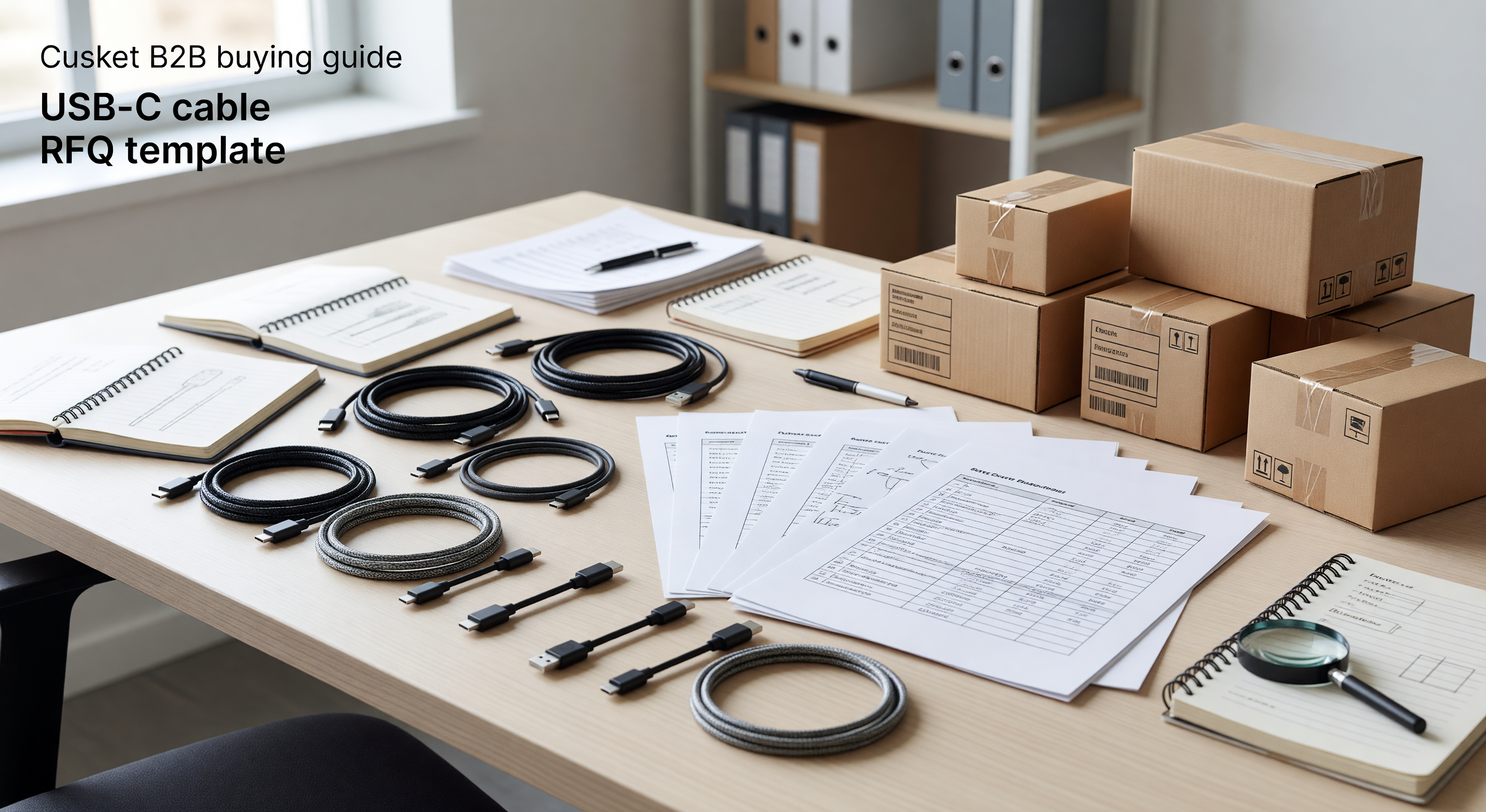
Start With the Packaging Job
For Mexico buyers, packaging should be reviewed against the route the goods will actually take: supplier warehouse handling, inland trucking, port or border transfer, local receiving, storage, and final delivery to your customer or store. A carton that looks fine in a supplier photo can still fail when it is stacked under other freight, exposed to heat in a trailer, or handled several times before arrival.
Before comparing offers on Cusket products or narrowing suppliers through Cusket search, write down the packaging job in practical terms. Is the product fragile, heavy, moisture-sensitive, retail-ready, or likely to be opened and re-packed after import? Ask the supplier to confirm inner packing, master carton, pallet plan, labels, and whether packaging is included in the quoted price.
Do not treat packaging as a minor detail after price negotiation. It affects damage rates, receiving speed, warehouse labor, customer presentation, and how quickly your team can identify the shipment when multiple orders arrive together.
Check Carton Strength and Stack Limits
Carton strength matters more than carton appearance. Ask for carton material, wall type, gross weight per carton, carton dimensions, units per carton, and recommended stack height. For heavier goods, double-wall or reinforced cartons may be needed. For light but crushable items, the carton must resist compression, not just hold the product neatly for a sample photo.
Challenge cartons that are oversized, underfilled, bulging, or dependent on tape to maintain shape. Empty space invites crushing and shifting. Overfilled cartons can split during handling. If the order will move across long inland routes in Mexico, vibration and repeated loading deserve special attention.
Ask whether the supplier has used the same carton for similar export orders and whether any drop, compression, or transit-style checks were performed. You need enough evidence to decide whether the carton is built for the route.
Plan Pallets, Loading, Heat, and Humidity
Packaging must work with the loading method. If the shipment will arrive palletized, request pallet size, cartons per layer, number of layers, total pallet height, stretch wrap method, corner protection, and any heat-treatment documentation that your route or logistics provider may require. Do not assume palletization is included just because the order is export-oriented.
If goods will be floor-loaded, ask how cartons are protected from sliding, crushing, and moisture. Floor loading may reduce freight cost, but it can increase unloading labor and carton damage if the packing plan is weak.
Mexico-bound shipments may face heat, humidity, rain exposure during loading, and warehouse temperature swings. For moisture-sensitive products, request polybags, liners, desiccants, or other protective measures where appropriate. Avoid vague promises such as "standard export packing." Ask what that standard means and request photos. When browsing Cusket categories, compare how similar products are usually packed so your requirement stays realistic.
Match Labels, Cartons, and Documents
Receiving teams lose time when labels, cartons, and documents do not match. Ask the supplier to align product name, SKU, model, color, size, quantity per carton, carton number, purchase order number, and country-of-origin wording where applicable. This is operational guidance, not legal advice; import, tax, and regulated-label decisions should be checked with qualified local advisers or your logistics provider.
Use the commercial invoice, packing list, and carton labels as a three-way consistency check before shipment. If the invoice says one quantity, the packing list says another, and the carton labels use a different naming system, correct the problem before pickup. Buyers using Cusket buy workflows should keep the agreed packaging notes with the order record so the team can compare shipment evidence later.
| Checkpoint | What to Request | Why It Matters |
|---|---|---|
| Master carton | Dimensions, gross weight, wall type, units per carton | Prevents weak, oversized, or overloaded cartons |
| Pallet plan | Pallet size, layers, wrap, corner guards, total height | Reduces crushing and receiving surprises |
| Moisture protection | Polybag, liner, desiccant, or handling note | Helps manage humidity and rain exposure |
| Carton marks | SKU, quantity, carton number, PO reference | Speeds warehouse receiving and sorting |
| Document match | Invoice, packing list, and carton label consistency | Reduces delays from mismatched shipment data |
| Retail pack | Barcode, insert, display orientation, pack count | Protects shelf presentation and customer experience |
Approve Retail Packs and Samples
If the product will be sold in a store, marketplace, or branded kit, the retail pack needs separate approval from the shipping carton. A strong master carton does not guarantee a customer-ready inner box. Confirm retail box material, print quality, barcode placement, language needs, inserts, hang tabs, seals, bundle count, and whether the unit pack can survive warehouse picking.
Ask for packaging samples or detailed packing photos before mass production, especially for first orders. A useful review includes the retail pack, inner protection, master carton, carton mark, pallet photo if applicable, and a short video showing how the item is placed inside the packaging.
Be clear about what can change without your approval. You may accept equivalent tape color, for example, but not a thinner carton, different barcode position, changed unit count, or removed moisture protection. For more buying topics, browse Cusket guides, but keep your packaging approval tied to your product and route.
Prepare Damage Evidence and Storage Rules
Even with good packaging, damage can happen. Decide before shipment what evidence your team will collect: exterior carton photos, close-ups of crushed corners or wet marks, pallet photos before unloading, product damage photos, carton label photos, and receiving notes showing affected quantities. Take photos before discarding packaging, because the carton often explains whether the issue came from weak packing, poor loading, moisture, or rough handling.
Create basic storage rules for your warehouse: keep cartons off wet floors, avoid direct sun, respect stack limits, separate heavy cartons from crushable goods, and rotate stock so older retail packs do not sit too long. If damage patterns repeat, share the evidence with the supplier and revise the packing specification before reordering.
For complex cases, contact your freight partner, insurer, broker, or qualified adviser rather than relying on general guidance. For platform records or order questions, buyers can reach Cusket support with the relevant shipment and product details.