Buying Guide
How replacement parts sellers can explain compatibility
By Cusket Editorial · Published · Updated
A seller guide for presenting replacement part compatibility clearly, reducing mismatches, and helping B2B buyers compare fit before ordering.
Lead with the compatibility boundary
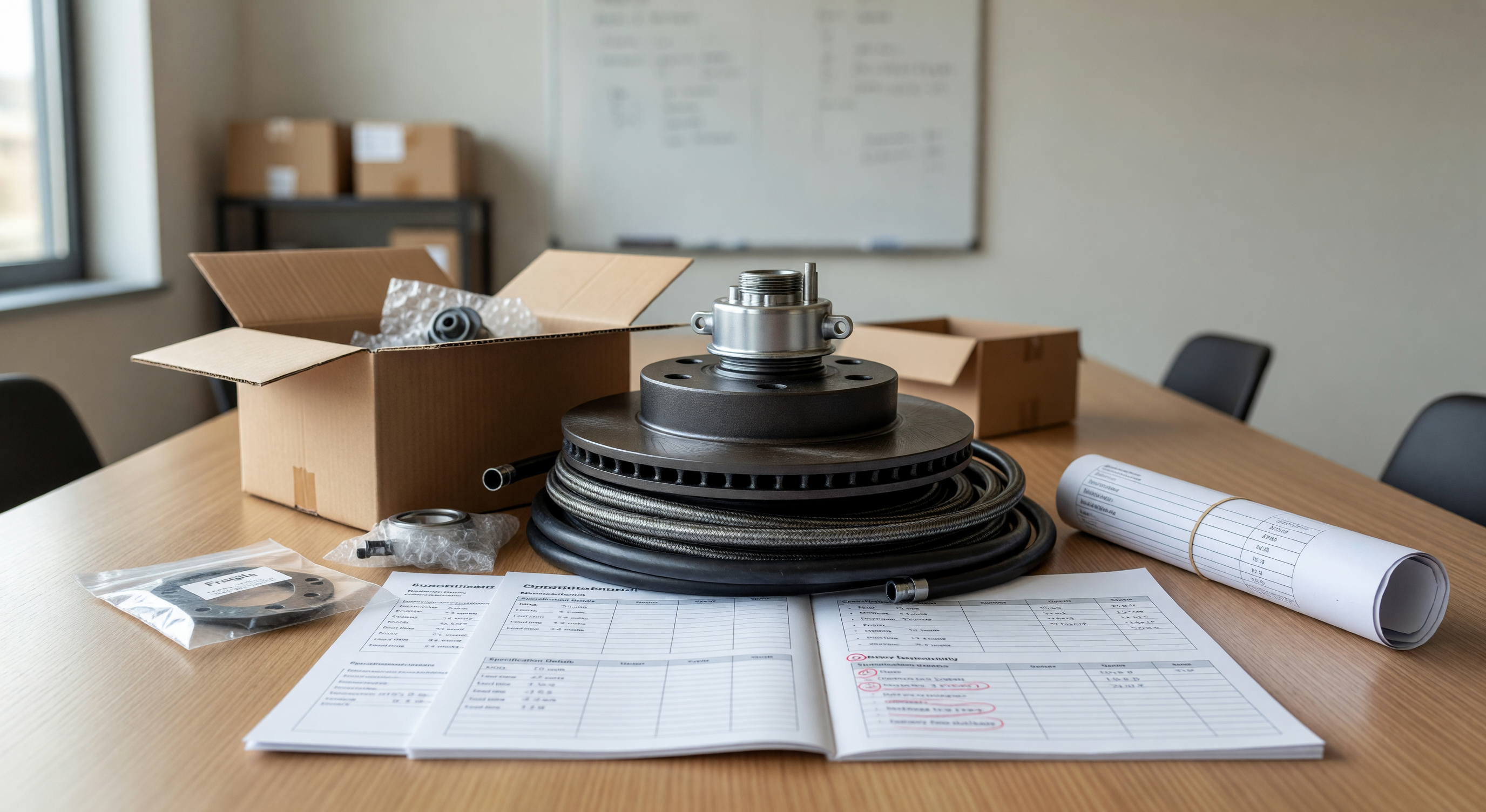
Replacement parts buyers need to know what the part fits, what it does not fit, and what information must be checked before purchase. A seller listing on Cusket seller products should not rely on broad phrases such as universal, common model, or fits most units. Instead, define the compatibility boundary in the title, summary, and first specification section. Name the equipment family, version range, part type, mounting style, connector, material, measurement, and any known exclusions.
Think from the buyer's side of the screen. A repair shop, reseller, or maintenance team may arrive from Cusket search with a model number, old part photo, or measurement. They are trying to avoid downtime and returns. Your listing should help them confirm whether your item belongs on the shortlist before they message you.
Separate confirmed fit from possible fit
Compatibility language needs levels. Confirmed fit means you have enough evidence to support the match. Possible fit means the part may work if measurements, model revision, or connector details match. Unknown fit means you need more information. Put those levels in the listing instead of mixing everything into one paragraph.
| Compatibility level | How to write it | Seller action |
|---|---|---|
| Confirmed | Fits listed models and revisions | Provide model and part references |
| Conditional | Fits when dimensions or connector match | Ask buyer to verify exact values |
| Not supported | Does not fit named versions | List exclusions clearly |
| Needs review | Seller must inspect buyer information | Request photos, labels, or measurements |
This approach reduces accidental overpromising while still helping buyers move forward.
Request buyer evidence the right way
A replacement part listing should tell buyers what evidence to send when they are unsure. Useful evidence can include equipment model, serial plate, old part number, front and back photos, connector photos, mounting-hole spacing, material, voltage, thread size, gear count, or a drawing. Keep the request specific to the part type. A buyer browsing Cusket products should not have to guess which photo matters.
Do not ask for sensitive operational information unless it is necessary for fit. You usually need product identity and measurements, not the buyer's whole maintenance record. If a buyer needs help with platform workflow, point them to Cusket support; if they need compatibility help, provide your own product-specific questions.
Write measurements so buyers can compare
Measurements should be consistent, labeled, and tied to the part orientation. For mechanical parts, include length, width, height, hole spacing, diameter, thread, material, and tolerance where relevant. For electrical parts, include voltage, current, connector type, pin count, polarity, and cable length. For filters, belts, seals, and fasteners, include the exact measurement method. If you sell across Cusket categories, avoid category jargon that only your team understands.
Use photos with marked orientation when possible. If a measurement is approximate, say approximate. If a dimension is critical, tell buyers not to rely on a visual match alone. Clear measurement language helps buyers compare your listing with the old part in front of them.
Build a compatibility checklist
Add a short checklist to the product body or seller note:
- Confirm the equipment brand, model, and revision before ordering.
- Compare the old part number with the listed reference numbers.
- Check mounting points, connector type, and dimensions.
- Review exclusions and unsupported versions.
- Send photos or measurements when the listing says fit is conditional.
- Confirm whether the order is for repair stock, resale, or immediate replacement.
This checklist is practical because it tells buyers how to reduce mismatch risk without requiring you to certify every possible use case.
Keep promoted listings conservative
If you advertise a replacement part through Cusket seller ads, make sure the promoted title does not imply broader compatibility than the page supports. Ads can increase reach, but they can also bring buyers with adjacent models. The landing listing needs exclusions, measurement details, and evidence requests visible above the point where buyers decide to contact you.
Review compatibility wording whenever your supplier, tooling, measurement, or reference list changes. A part that looks similar can fail because of a small revision difference. Keeping the listing current is more valuable than using large claims that create avoidable disputes.
Maintain a reference list for repeat orders
Replacement part selling improves when your team keeps a structured reference list behind each listing. Track buyer-provided model numbers, old part markings, measurement confirmations, and the outcome of each fit discussion. Do not publish private buyer information, but use the pattern of questions to improve the listing. If three buyers ask whether a connector is straight or angled, add that detail to the page with a photo.
For repeat business, record the exact part version that was supplied. A reseller or repair shop may come back months later and expect the same fit. If your supplier changes a mold, material, connector, gasket, or finish, update the compatibility section before accepting a reorder. This habit prevents your product page from becoming less accurate over time and shows business buyers that compatibility is managed as an ongoing seller responsibility.