Buying Guide
How to ask for sample approval before a bulk B2B order
By Cusket Editorial · Published · Updated
A practical buyer checklist for approving B2B samples before committing to bulk production, including photos, measurements, packaging, labels, defect limits, revisions, and final lock-in notes.
Define the sample objective before you pay for bulk production
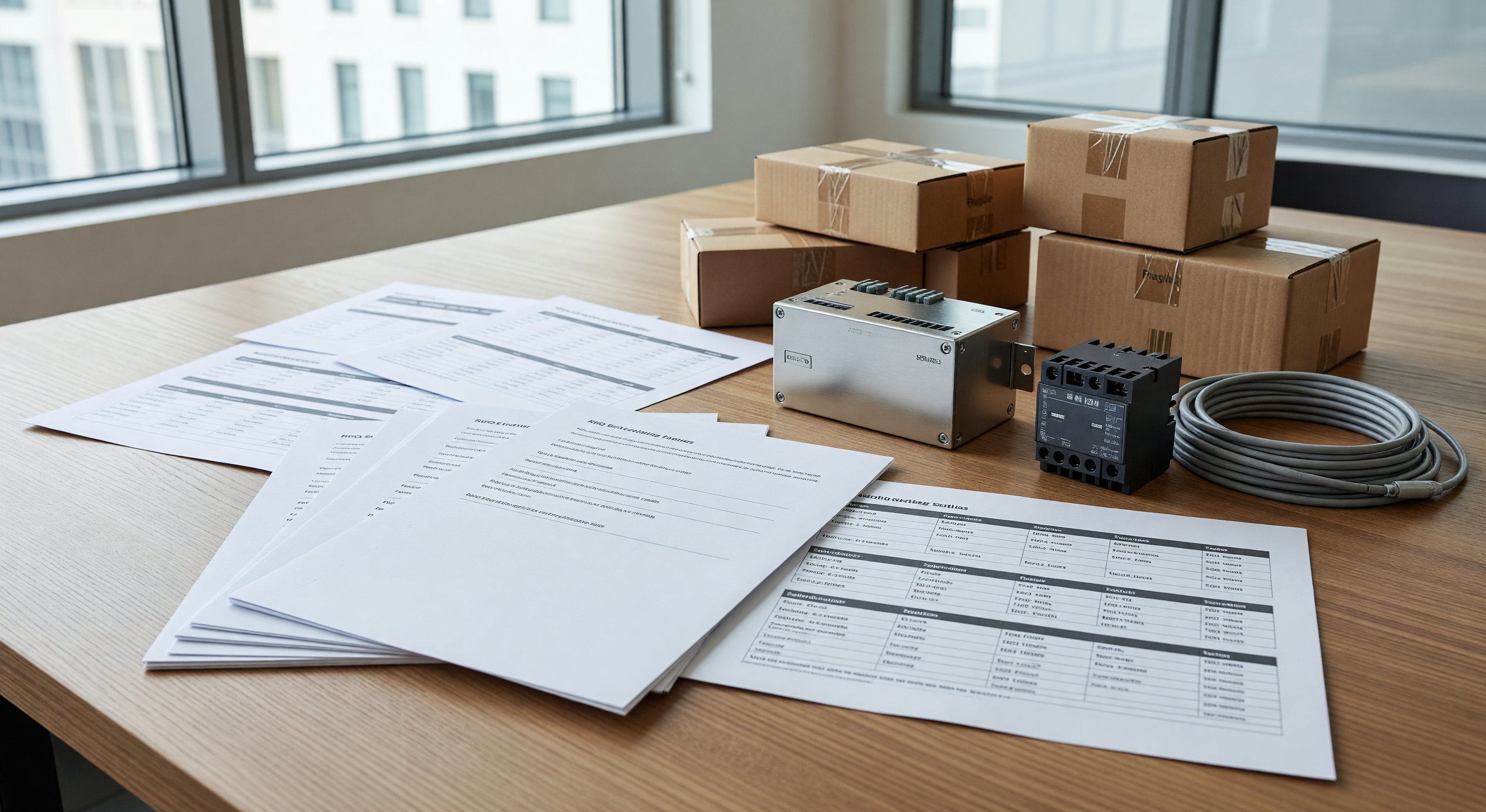
A sample approval is not just a quick look at a prototype. For a bulk B2B order, it is the point where your team decides whether the seller can reproduce the product you expect at the quantity, finish, packaging level, and standard you need. Before you request a sample through Cusket, write the objective in plain language: what the item must do, where it will be used, who will receive it, and which details would make the bulk order unacceptable.
Start from the product or search result you are evaluating on https://cusket.com/products or https://cusket.com/search. Capture the product name, variant, material, color, size, electrical rating, capacity, bundle contents, and customization options. If you are comparing suppliers, keep the sample objective consistent so each seller responds to the requirement.
Send approval criteria that can be checked, photographed, and measured
Your approval request should separate preference from measurable criteria. Sellers can respond more clearly when you list what will be inspected and how strict each point is. Include dimensions, materials, finish, color reference, performance checks, logo placement, packaging layout, accessories, and label content.
Use product and category context on https://cusket.com/categories to avoid asking for details that belong to a different product family. If the listing includes a tolerance, quote it. If it does not, ask the seller to confirm the production tolerance they can hold. For regulated or safety-sensitive goods, ask for available documents and test reports, while treating formal legal or compliance review as your team's responsibility.
| Approval area | What to request from the seller | Buyer check before approval |
|---|---|---|
| Product identity | Exact SKU, variant, material, color, and configuration | Matches the listing and your purchase request |
| Measurements | Key dimensions, weight, capacity, and allowed tolerance | Values fall inside your written limit |
| Finish and branding | Photos of color, texture, logo, print, engraving, or stitching | No mismatch against approved artwork or reference |
| Function test | Short test notes or video showing normal use | Product performs the required task without obvious failure |
| Packaging | Inner pack, carton, protective inserts, labels, and barcode position | Packaging protects the item and supports receiving workflow |
| Defect limit | Examples of acceptable and unacceptable defects | Standard is clear enough for bulk inspection |
Ask for photos, video, and measurement proof before shipping the sample
Do not wait for the physical sample to discover that the seller prepared the wrong version. Ask for pre-shipment proof before the sample leaves the seller. The best evidence set usually includes daylight photos, close-up photos, scale or caliper shots, packaging photos, and one short video showing the product in use.
For physical goods, request front, back, side, top, bottom, label, accessory, and packaging views. For products with moving parts, electronics, displays, lighting, controls, seals, or assembly steps, video is often more useful than a written claim. Ask the seller to show the product starting from rest, being operated normally, and returning to a safe or closed state where relevant.
If you found the item from https://cusket.com/search, paste the product link into your message so the seller can confirm the sample is tied to the same listing. For a complex order, include reference file names such as "Logo file A," "Carton layout B," or "Color reference C."
Inspect the physical sample with a written receiving routine
When the sample arrives, inspect it the same day if possible and record the result in a shared note. Keep the packaging until the review is finished, because carton markings, cushioning, and label placement are often part of approval. Take your own photos before removing protective film or opening sealed accessory packs.
A practical routine should cover exterior condition, product count, variant match, visible defects, measurements, functional checks, packaging fit, label readability, and missing accessories. Use the same units in every note. If repeated operation matters, write down the number of cycles tested. If it has an odor, sharp edge, loose part, inconsistent color, weak adhesive, misaligned print, or unclear instruction sheet, describe the issue specifically.
Avoid approving a sample with vague comments such as "looks okay except minor changes." Mark each item as approved, rejected, or approved after correction, then explain the correction in one sentence.
Set defect limits and a revision path before the bulk order is locked
A sample can be acceptable while still revealing points that must be controlled in bulk. Before you approve, define the defect limits that matter to your receiving team. Examples include maximum scratch length, acceptable color variance, print alignment tolerance, carton crush limits, allowed missing accessories, or the number of minor cosmetic marks permitted per carton. Keep the limits realistic enough for production, but clear enough that the seller can understand what would trigger a dispute or rework request.
If the sample fails, send a revision path: list the failed criteria, attach marked photos, state whether you need a revised sample or only photo confirmation, and set the decision needed before production. For small cosmetic changes, photo confirmation may be enough. For material, function, size, safety, fit, packaging protection, or branding changes, a second physical sample is usually safer.
When timing changes, update your procurement plan before placing the bulk order through https://cusket.com/buy. Sample revisions can affect production readiness, shipping date, and when your team can commit funds.
Confirm what approval locks for the bulk order
Final approval should say exactly what is locked. Include the approved sample date, product configuration, artwork version, packaging version, label content, measurement tolerance, defect limit, and test notes that must carry into bulk production. If the seller is allowed to make substitutions, list them. If substitutions are not allowed without written confirmation, say that clearly.
Keep the approval note short but complete: approved sample date, approved quantity, finish, logo placement, label, carton, accessories, measurements, defect limits, and a clear statement that material, packaging, or label changes need buyer confirmation.
Keep the approved photos, videos, measurements, and seller messages with your purchase records. If your team needs help using Cusket or documenting an order issue, start from https://cusket.com/support. For more procurement workflows, compare your checklist with related articles on https://cusket.com/guides before your next supplier review.