Buying Guide
How sellers can reduce first-order risk for buyers
By Cusket Editorial · Published · Updated
A seller guide to reducing buyer hesitation before the first Cusket order with clearer listings, samples, MOQ explanations, packaging details, and support expectations.
First orders feel riskier than repeat orders
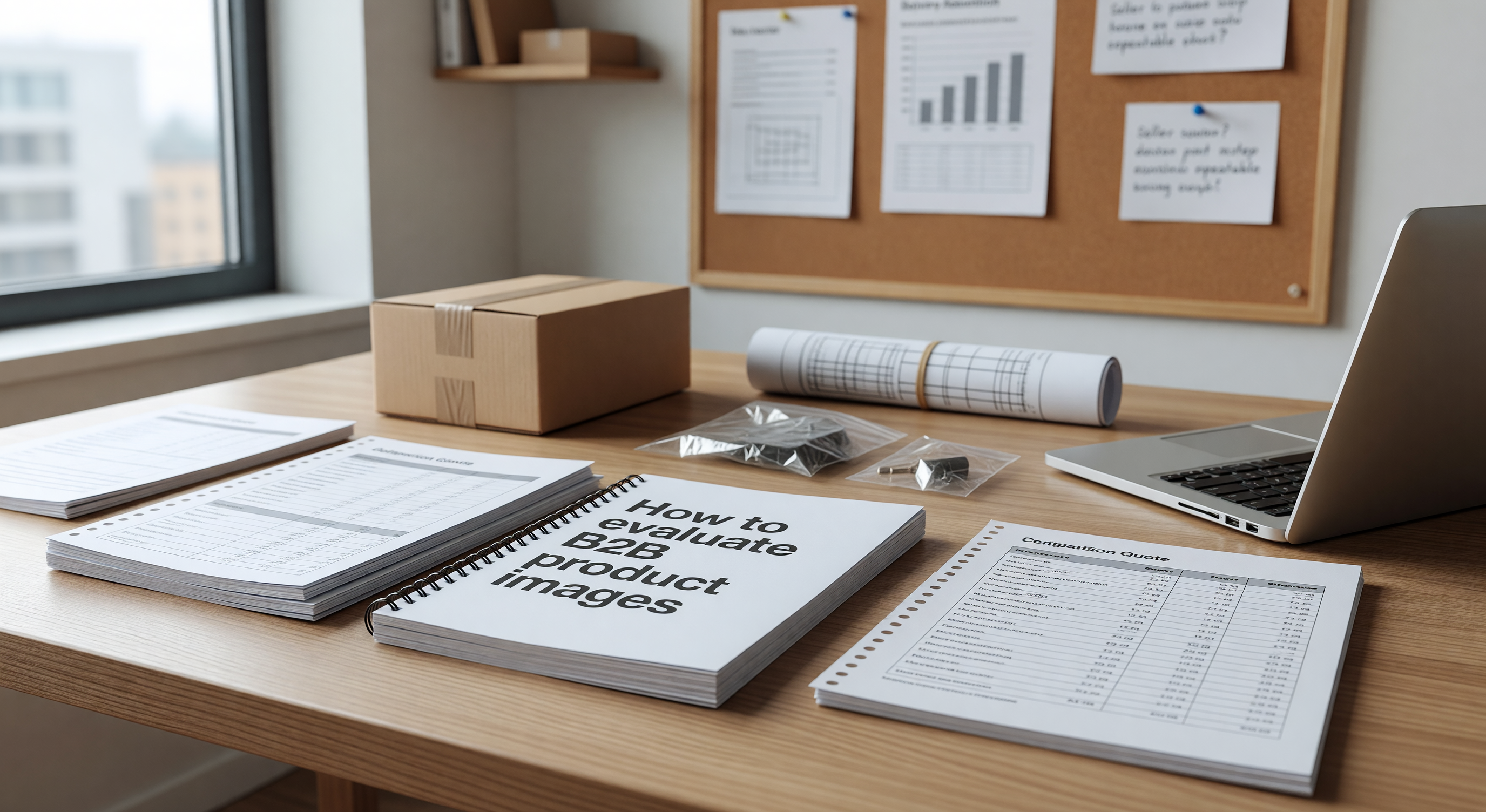
A first order asks the buyer to trust a product, a seller, and a process they have not used before. Even when the product is relevant, uncertainty can slow the decision. Sellers can reduce that uncertainty with better listing detail, sample policy, MOQ explanation, packaging clarity, and message readiness. Buyers who arrive from Cusket search, Cusket products, or Cusket categories should quickly understand how to start.
Risk reduction does not mean promising everything. It means explaining the path honestly. Serious buyers often accept normal B2B limits when they can see how the seller handles questions, samples, order size, and support.
Make the first viable order obvious
A buyer should not have to guess the smallest practical order. Show the standard MOQ, first price tier, sample route, and whether standard variants are easier to start with than custom options. If custom packaging or logo work requires more review, explain that separately. Use seller products to keep these details visible in the listing.
A clear first-order path might say: standard color sample, standard packaging MOQ, then custom packaging discussion after approval. That sequence gives buyers a way to start without forcing them into the most complex order first.
Reduce uncertainty in the listing
Most first-order hesitation comes from missing details. Buyers wonder whether the product matches their use, whether packaging works for resale, whether price tiers are current, and whether the seller will respond after payment or delivery. Address what you control directly in the listing.
| Risk area | Seller action | Buyer confidence gained |
|---|---|---|
| Product fit | Clear title, summary, and specifications | Buyer knows whether to compare further |
| Quantity | MOQ and tier table are visible | Buyer can plan budget |
| Inspection | Sample policy is explained | Buyer can evaluate before bulk order |
| Packaging | Carton and unit pack details are shown | Buyer can plan receiving or resale |
| Support | Message and issue-review path is clear | Buyer knows how problems are handled |
| Timing | Standard and custom preparation are separated | Buyer avoids false assumptions |
Use samples and messages strategically
Samples are useful, but they should be tied to a decision. Ask buyers what they need to evaluate: material, color, compatibility, packaging, or finish. Then guide them toward the right sample type. If the buyer is not ready for a sample, ask for target quantity and use case so you can recommend the simplest starting option.
Message templates can also reduce risk. A fast, specific reply shows operational maturity. If your team responds with vague answers, buyers may worry that order support will be vague too. Keep common replies prepared, but personalize them with the product or variant.
Avoid risky overpromising
Do not reduce first-order risk by making promises you cannot control. Avoid guaranteed delivery dates, universal compliance claims, or absolute defect promises unless those claims are supported by a proper process. Instead, provide facts: product data, packaging format, sample availability, review steps, and what your team can confirm before order.
If a buyer asks about platform use or account issues, direct them to Cusket support. If they ask about your product, answer with seller-controlled information.
First-order risk checklist
Before promoting or publishing a product, confirm:
- Title and summary clearly identify the product and buyer use.
- MOQ is explained with standard and custom differences.
- Price tiers start at the real first order quantity.
- Sample policy says what is available and what buyer details are needed.
- Packaging specifications include carton or unit-pack information.
- Shipping readiness details are current.
- Warranty or issue-review wording is practical.
- Buyer message templates ask for useful details.
- Paid traffic from Cusket seller ads is used only after the listing can answer basic concerns.
Turn first orders into repeat orders
After the first order, ask what created uncertainty before purchase and what information helped. Use that feedback to improve the listing, not only the private message thread. If three buyers ask the same question, future buyers should see the answer before they ask.
First-order risk reduction is a compound habit. Every clear specification, accurate MOQ note, realistic sample policy, and organized support reply makes the next buyer easier to serve. Sellers who treat the first order as a guided path are more likely to build repeat business than sellers who treat every question as a one-off interruption.
Risk reduction also helps sellers prioritize effort. Start with the listings that receive traffic, messages, or ad spend. Then improve products with high order value, complex variants, or frequent sample requests. You do not need to perfect the entire catalog at once. Improve the pages where buyer uncertainty is most likely to block revenue.