Buying Guide
How to document supplier assumptions for team approval
By Cusket Editorial · Published · Updated
A buyer-facing checklist for documenting product scope, supplier responsibility, MOQ, lead time, samples, delivery assumptions, documents, replacement terms, and landed cost before team checkout approval.
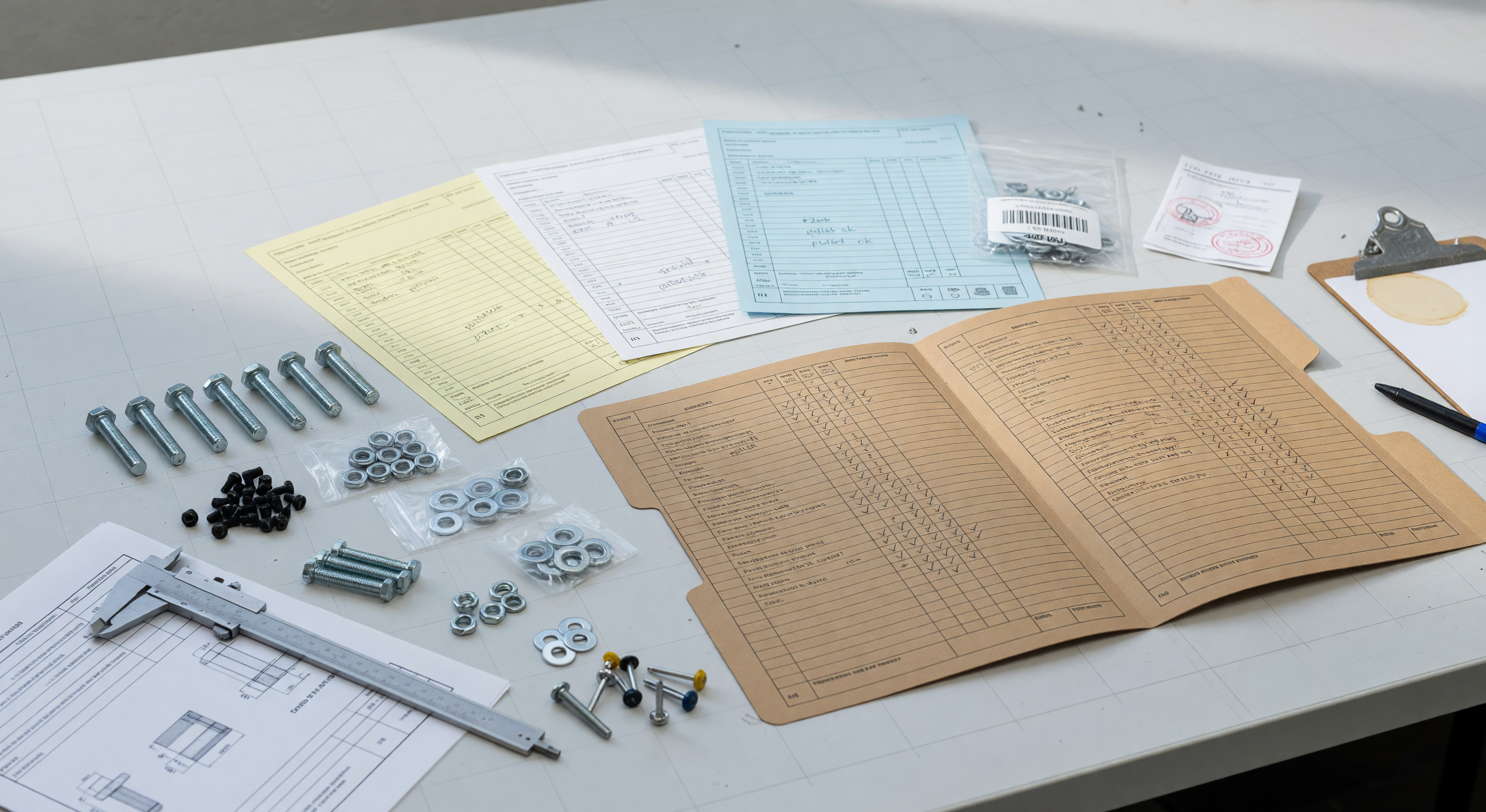
Align the team before a supplier quote becomes checkout
A supplier quote can look clear until different people read different meanings into it. One person may think the price includes packaging. Another may assume the supplier is arranging export documents. Finance may approve the unit price but not the landed cost. Before a team moves from browsing Cusket products or comparing Cusket search results to checkout, write down the assumptions that make the purchase acceptable.
This guide is for buyers who need a practical approval note. The goal is to show what the supplier confirmed, what the team is assuming, what still needs a decision, and what must be checked again before payment.
Define the product scope in plain buying language
Start with the product itself. Supplier conversations often use shorthand. Your approval note should restate the scope so the approver does not have to interpret a screenshot.
Capture the product name, variant, material, size, color, quantity, and any performance expectations that matter. If the product is a component, note what it must fit with. If it is packaging, mention the contents it will hold. For branded or customized items, separate standard product features from custom work. A listing found through Cusket categories may be enough for discovery, but team approval should use the exact configuration.
Avoid vague phrases such as “same as sample” unless you identify the sample date, version, or order reference. If the team accepts a supplier’s standard specification, say that directly. If the team expects a change, write the change as a requirement and mark whether the supplier confirmed it.
Record supplier role and responsibility boundaries
Clarify what role the supplier is playing. Some suppliers only provide goods. Others may arrange packaging, labeling, inspection support, consolidation, or handoff to a logistics partner. The approval note should not blur those roles.
List the supplier’s responsibility for production, quality checks, export packing, documents, and delivery handoff. If a listing or message describes a service, restate the operational meaning: for example, “supplier will pack goods in export cartons and provide packing list,” or “buyer must arrange pickup after goods are ready.” Do not treat missing language as included service.
Responsibility gaps usually appear late. If the supplier’s role is limited, note who owns the missing step before checkout on Cusket buy.
Document MOQ, lead time, samples, and packaging
MOQ and lead time should be written as assumptions with conditions, not just numbers. Minimum order quantity may depend on color, material, logo treatment, or carton mix. Lead time may start after deposit, artwork approval, sample approval, or document confirmation.
For samples, record whether a sample is required, waived, already reviewed, or still pending. If checkout is approved without a current sample, say why that is acceptable and who approved the risk. For packaging, include inner pack, carton quantity, label requirements, pallet expectations if relevant, and whether packaging is retail-ready or only transport-safe.
| Assumption area | What to record | Team approval question |
|---|---|---|
| Product scope | Variant, material, dimensions, color, customization | Are we approving this exact configuration? |
| MOQ | Minimum quantity by SKU, color, or order | Can demand, storage, and budget support this quantity? |
| Lead time | Start trigger, production days, approval dependencies | Does the timeline work if the slowest trigger applies? |
| Samples | Required, waived, reviewed, or pending | Who accepts sample-related risk before checkout? |
| Packaging | Unit pack, carton pack, labels, protection level | Is packaging suitable for receiving, resale, or internal use? |
| Replacement terms | Remedy for shortages, defects, or wrong items | Is the proposed remedy operationally acceptable? |
Separate delivery responsibility from landed cost
Delivery responsibility and landed cost are related, but they are not the same thing. Delivery responsibility describes who arranges movement and where responsibility changes hands. Landed cost estimates describe what the order may cost after freight, handling, duties, taxes, platform fees, local delivery, and other charges. Avoid presenting tax, customs, or compliance outcomes as guaranteed unless qualified professionals or official sources have confirmed them for your situation.
State the delivery assumption in operational terms: pickup location, destination, who books freight, who pays freight, and whether the supplier included transport cost. Then show landed cost separately: unit price, quantity, expected freight, estimated import or handling charges if your team uses them, and any buffer.
If a cost is unknown, mark it as an open estimate and name the owner who will confirm it. Buyers can continue reading procurement guidance in Cusket guides, but the approval record should show which numbers are firm, quoted, estimated, or unconfirmed.
Check documents, replacement terms, and evidence
Documents can affect whether goods can be received, resold, inspected, or paid for smoothly. Record which documents the supplier agreed to provide: commercial invoice, packing list, product specification, test report, certificate, artwork proof, origin statement, or any other file your team requires. Phrase this as an operational requirement, not as legal certainty.
Replacement terms also need plain language. If there are shortages, visible defects, wrong variants, damaged cartons, or failed samples, what remedy is expected? Replacement, refund, credit, spare parts, rework, or next-order discount each affects the business differently. Note evidence requirements such as photos, receiving report, or inspection date. Include the issue window if the supplier stated one.
A cheap order with unclear replacement terms may still be a poor fit if your operation cannot absorb delays or rework.
Final approval before checkout
Before checkout, convert the assumptions into a short decision record. It should answer five questions: what exactly are we buying, what has the supplier confirmed, what are we assuming, what remains unconfirmed, and who accepts each unresolved risk. If any answer is “someone probably knows,” pause and assign an owner.
Include the product link or search path, supplier name, quote date, quantity, expected lead time, delivery responsibility, landed cost estimate, required documents, packaging expectation, sample status, and replacement terms. Then add approvals from the buyer, budget owner, receiving or operations owner, and any team member responsible for product fit.
If the team needs help with a Cusket order path, use Cusket support. Once the assumptions are documented and approved, checkout becomes a controlled buying step.