Buying Guide
United States buyer checklist for first test orders
By Cusket Editorial · Published · Updated
A practical checklist for United States buyers planning a first Cusket test order, from product scope and receiver details to inspection, defect handling, and reorder decisions.
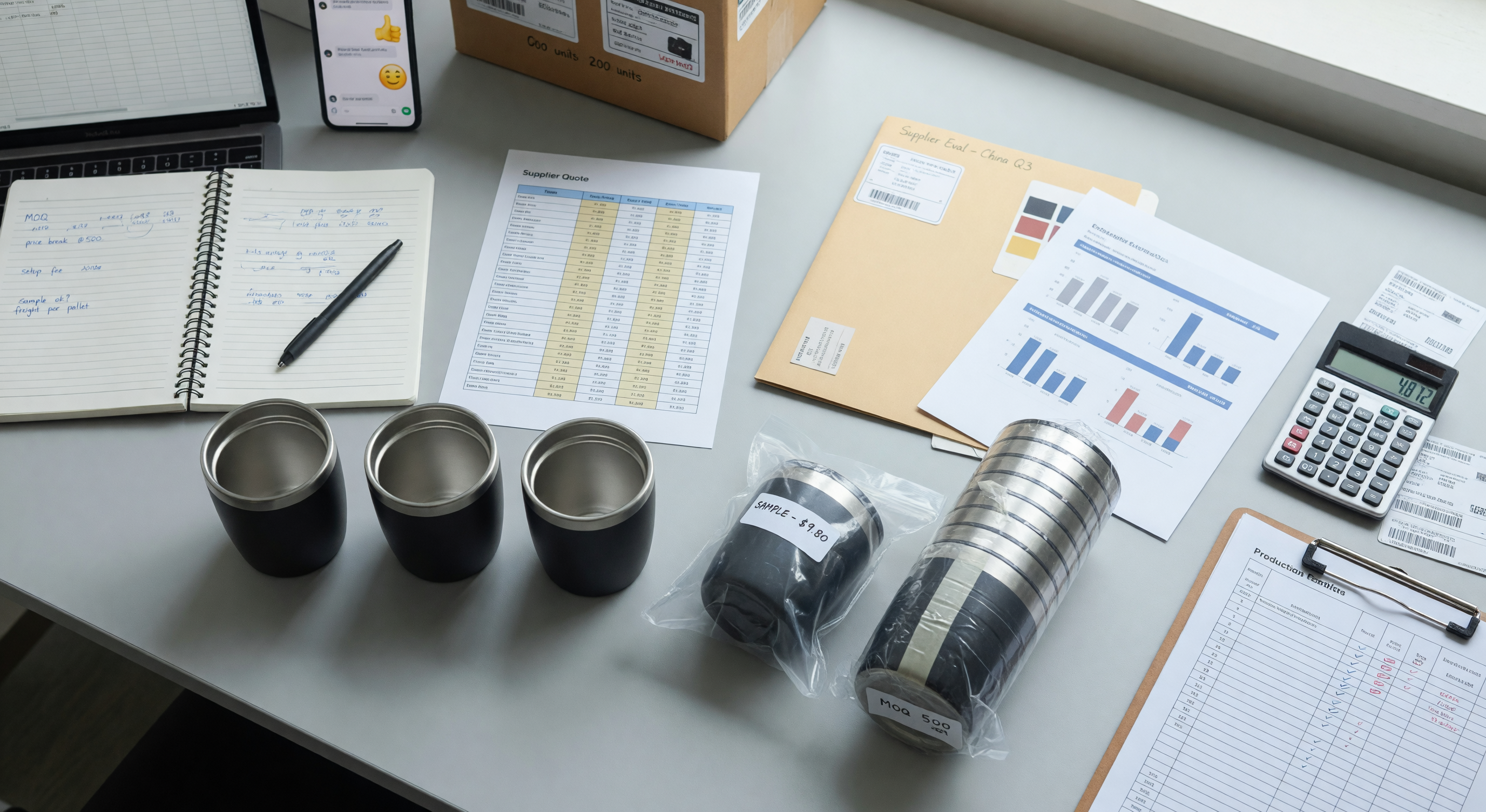
Define a small, representative test order
A first Cusket order should prove whether a product, package, and delivery path are workable before you commit to a broader purchase. Start with a quantity that is large enough to reveal real handling issues but small enough that a problem will not freeze your budget. For many United States buyers, that means one carton, one case pack, or a narrow set of SKUs instead of a full assortment. Browse current options on Cusket products, compare similar listings through Cusket search, and keep the test focused on the items you would actually reorder.
Avoid mixing too many product types in the first shipment. If you test fragile goods, apparel, electronics accessories, and printed packaging at the same time, it becomes harder to know which process caused a delay or defect. Choose a product scope that matches one business question: Will this item arrive in sellable condition? Does the packaging fit your channel? Can your team receive and inspect it without special handling?
Confirm product scope, quantity, and buyer assumptions
Before checkout, write down the exact product variant, color, size, material, included accessories, labeling expectations, and acceptable substitutions. Do not rely on memory or screenshots alone. If a listing includes multiple configurations, verify that your cart reflects the specific version you intend to test. Category browsing at Cusket categories can help you compare how similar products describe options, but your final order should still have one clear product scope.
Treat customs, duty, tax, and regulatory requirements as buyer verification items, not assumptions supplied by a marketplace page. Cusket can help you discover products and order information, but United States import, resale, tax, labeling, and restricted-product questions may depend on your use case, destination, and business status. For the first test order, note what you believe must be checked, who on your team owns that check, and whether you need professional advice before scaling.
Prepare receiver details and shipping records
Small test orders often fail for avoidable reasons: incomplete receiver names, missing suite numbers, unclear delivery hours, or a phone number that cannot receive carrier calls. Use a receiver name that matches the location, include company name when relevant, and confirm the full street address, unit, city, state, ZIP code, phone, and email. If the destination is a warehouse, office, prep center, or retail back room, add any appointment, dock, or access notes available during checkout at Cusket buy.
Keep a simple order record before the shipment moves. Save the order confirmation, product page, quantity, unit price, currency shown at checkout, delivery responsibility, tracking details when available, and any messages related to the order. Currency display helps you estimate landed cost, but it should not replace your own accounting review. If your internal system records purchase orders, assign a reference number before placing the order so receiving staff can match the shipment quickly.
Use a pre-order checklist
The practical goal is to reduce ambiguity before money moves. Use this checklist as a working record, not a legal or compliance determination.
| Check | What to confirm | Why it matters |
|---|---|---|
| Test quantity | One carton, one case pack, or a narrow SKU set | Limits exposure while still revealing handling and packaging issues |
| Product scope | Variant, size, material, accessories, substitutions | Prevents receiving the wrong version and blaming the wrong process |
| Receiver details | Full address, phone, email, access notes | Reduces carrier exceptions and missed delivery attempts |
| Documents | Order confirmation, invoice or receipt, tracking, internal PO | Makes inspection, accounting, and support follow-up faster |
| Packaging | Inner protection, outer carton condition, labels, barcodes if needed | Shows whether the product can survive the intended delivery path |
| Arrival inspection | Count, visible damage, photos, defect notes, date received | Creates evidence while the shipment condition is still fresh |
| Reorder gate | Pass, revise, retest, or stop | Keeps the test from turning into an automatic larger purchase |
Inspect packaging and products on arrival
Inspect the shipment the same day it arrives when possible. Photograph the unopened outer package, shipping label, any dents or moisture, and the way items are arranged inside. Count units before distributing samples or moving inventory into storage. If packaging is part of your resale experience, check whether the item arrives clean, scannable, and presentable enough for your channel. A product can be functionally correct and still fail the test if cartons collapse, labels peel, or retail boxes arrive marked.
For defects, separate facts from preferences. A defect note should say what is wrong, how many units are affected, whether the issue is cosmetic or functional, and whether packaging damage appears related. Keep photos, short videos when useful, and the original order information together. If you need help understanding order next steps, contact Cusket support with the order reference, product, quantity, photos, and a concise description of the issue. Do not dispose of packaging until you know whether more information is needed.
Decide whether to reorder, revise, or stop
A first test order is complete only when you make a reorder decision. If the product, packaging, delivery timing, documentation, and support path all meet your threshold, define the next quantity carefully. Scaling from one carton to a much larger order can introduce new handling, freight, storage, and cash-flow questions. Consider one intermediate reorder before committing to a large purchase, especially for seasonal, fragile, regulated, customized, or high-return-risk items.
If the test partly works, revise one variable at a time. You may need clearer receiver notes, different packaging expectations, a narrower variant selection, or a different product category. If the shipment fails on a critical requirement, stop and document why so the same item is not reordered by another teammate. For more purchasing context, keep a short internal record and review related articles in Cusket guides before starting the next test. The best first order is not the biggest one; it is the one that gives you enough evidence to buy, change, or walk away with confidence.