Buying Guide
Processed and Packaged Foods MOQ and Price Tier Guide
By Cusket Editorial · Published · Updated
A buyer-focused guide to comparing processed and packaged food MOQs, pack formats, price tiers, shelf life, and packaging costs before moving from trial orders to reorders.
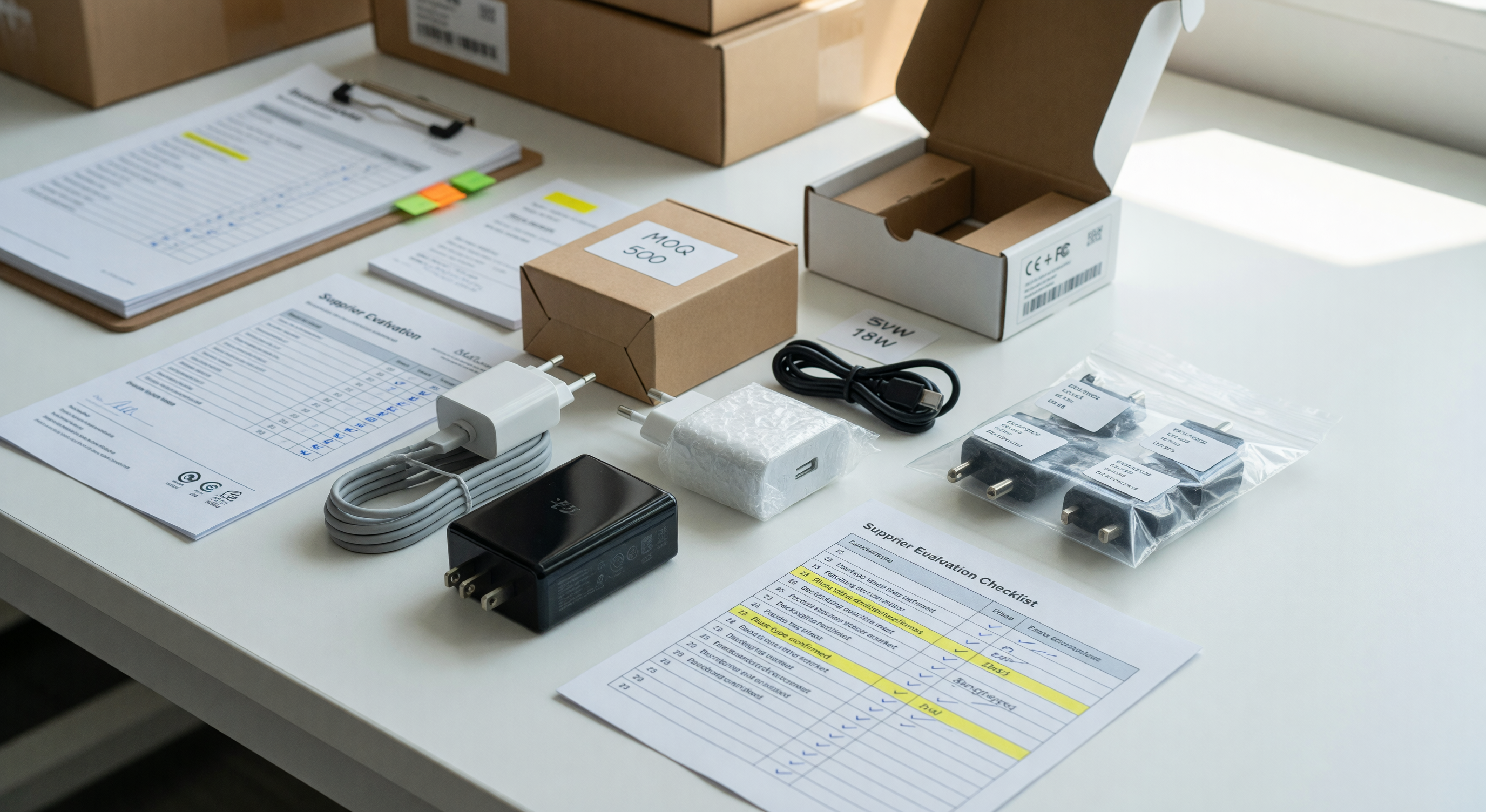
Why MOQ and price tiers matter for processed foods
Processed and packaged foods often look easy to compare: a case count, a shelf life, and a unit price. The harder part is that the real price changes once minimum order quantity, production run size, packaging format, and freight density are included. A small trial order may be possible, but it can carry setup charges or limited flavor choices. A larger order may unlock a lower unit cost, but it can also create inventory risk if sell-through, expiry windows, or storage are not ready.
For buyers sourcing through Cusket processed food categories, the goal is not simply to chase the lowest tier. The better goal is to find the smallest order that proves demand while still supporting your retail, foodservice, or distribution margin.
Normalize pack format before comparing prices
Before comparing suppliers, normalize the pack format. Processed foods may be quoted by unit, pouch, jar, tray, carton, master case, pallet, or mixed container. A price that looks lower per item may include fewer grams per unit, thinner packaging, or fewer retail-ready units per case. Ask each seller to confirm net weight, units per inner pack, inner packs per case, cases per pallet, and whether the quote includes retail labeling.
This matters when browsing all Cusket products, because snack packs, sauces, dry mixes, canned foods, and ready meals do not share the same cost structure. Put every quote into the same comparison unit: cost per retail unit, cost per kilogram, and cost per sellable case.
Use an MOQ and price-tier checklist
Use a checklist before accepting the first tier offered. It separates a supplier's production constraint from your own buying constraint.
| Checkpoint | What to confirm | Buyer impact |
|---|---|---|
| Trial MOQ | Smallest order the seller will produce or ship | Tests demand without tying up too much cash |
| Economic MOQ | First tier where unit cost supports margin | Shows whether the product can work commercially |
| SKU split | Whether MOQ applies per SKU or total order | Prevents overbuying across flavors or sizes |
| Packaging setup | Label, plate, carton, or film charges | Explains why low-volume tiers cost more |
| Shelf life at dispatch | Remaining months when goods leave the seller | Protects sell-through and markdown planning |
| Case and pallet math | Units per case and cases per pallet | Avoids broken-pallet fees and freight surprises |
If you also source inputs or seasonal items, compare the buying rhythm with fresh produce categories. Fresh items often move around harvest and weekly demand, while processed foods often move around batch production, packaging inventory, and expiry dates.
Read each tier as a margin scenario
A price tier is useful only when you convert it into a complete margin scenario. Start with the seller's product cost. Add freight, duties if applicable, inspection, storage, payment fees, distributor or marketplace margin, and expected waste or markdown allowance. Then compare the landed cost against the selling price you can realistically achieve.
For example, a 500-case tier may be 8 percent cheaper than a 100-case tier. That sounds attractive until you calculate that the larger tier requires three extra months of storage and pushes part of the stock close to its best-before date. In that case, the lower tier may produce a better real margin. When researching alternatives through Cusket search, compare tiers by landed cost and sell-through risk, not only by headline unit price.
Match packaging choices to the right tier
Packaging is often the hidden reason behind MOQ. Printed pouches, shrink sleeves, paperboard cartons, multipacks, and display trays all create setup and material constraints. If a custom printed package requires a minimum film roll, the seller may need a higher MOQ even when the food batch could be smaller. If standard packaging is available, the MOQ may drop because the seller can use shared materials.
Buyers who need custom retail packaging should review related options in flexible packaging categories while negotiating the food item. Ask whether the seller can quote two versions: a standard packaging tier for launch and a custom packaging tier for reorder. Also confirm whether barcode, nutrition panel, allergen statement, country-of-origin label, and language requirements are included.
Negotiate around risk, not just volume
The best negotiation is specific. Instead of asking for a lower MOQ in general, explain the risk you are trying to manage. You might ask for a mixed-SKU MOQ, a first-order trial tier, a partial private-label rollout, or a reorder price lock if the first order sells through within a set period.
A practical structure is to negotiate three points together: first order quantity, reorder tier, and lead time. You may accept a modestly higher first-order price if the seller confirms a lower reorder price at 300 cases and reserves packaging material for the next production run. That can be better than forcing an unrealistic launch MOQ and carrying inventory you cannot move. If a quote is unclear, contact Cusket support before committing.
Decide when to move from trial to reorder
A processed food trial order should answer operational questions, not only taste questions. Track sell-through by week, return or complaint reasons, damage rate, case-pick efficiency, and the number of days needed to receive, label, store, and dispatch the product. If the trial sells but operations are messy, fix the process before jumping to the next tier.
Move to a higher tier when three signals line up: demand is repeatable, landed margin is healthy after all costs, and the remaining shelf life gives you enough selling time. You can continue comparing sourcing guidance in Cusket guides as your processed food program grows.